Ohio Deer Season Driving: What Auto Insurance Covers After a Collision
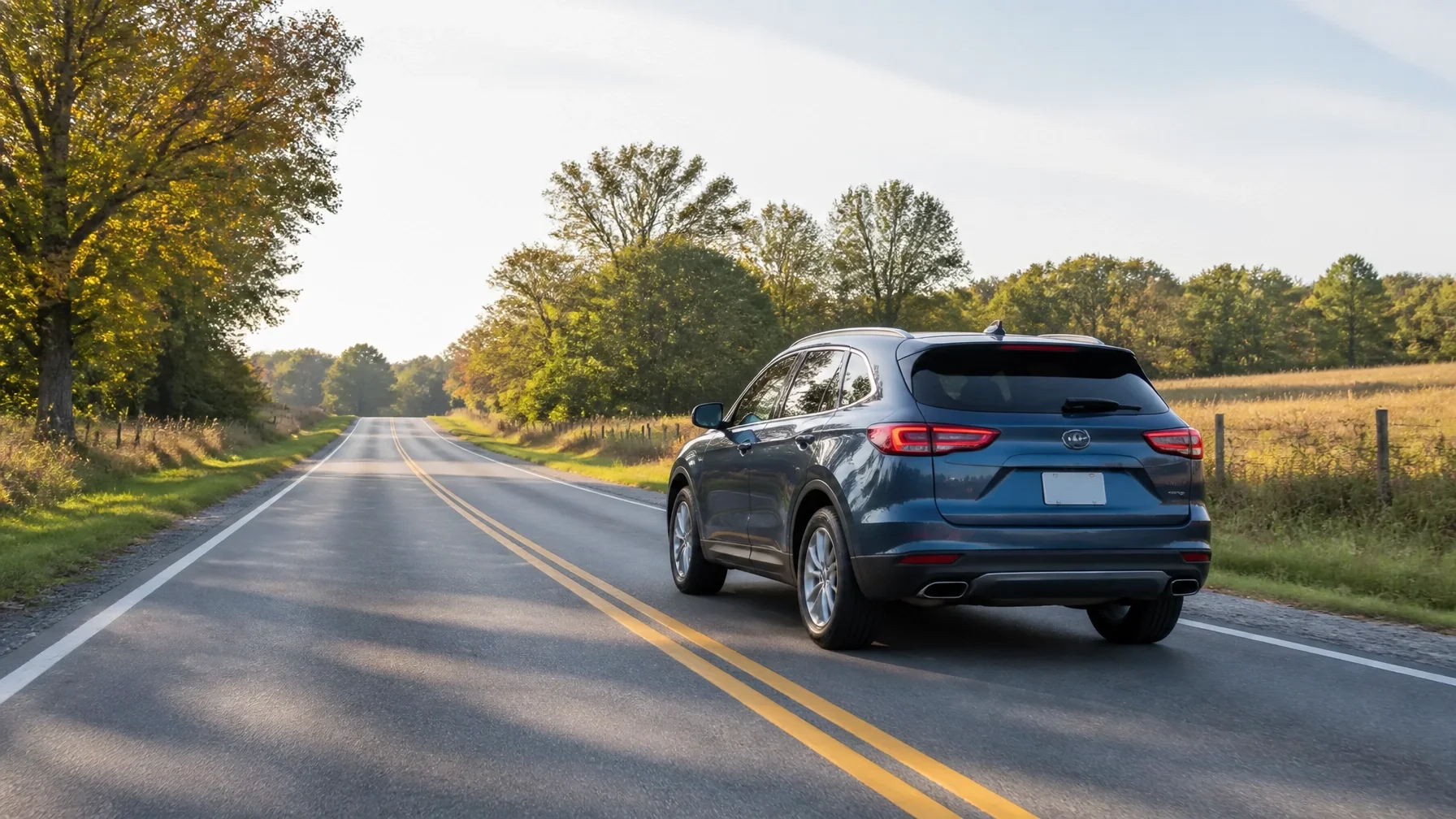
An early fall commute through a Columbus suburb can change quickly. A deer may move toward the pavement as daylight fades. Knowing how to respond can help you make a safer decision and understand which parts of your auto policy may matter afterward.
Ohio State Highway Patrol identifies fall as a period when deer-involved crashes increase, particularly from October through December. Roads near fields, parks, wooded areas, and Central Ohio suburbs may require extra attention.
Why Ohio Deer Season Driving Requires Extra Attention
Deer activity is not limited to remote country roads. In Central Ohio, development often sits close to wooded corridors, parks, ravines, and open land. A driver leaving Clintonville, Worthington, or another Columbus-area neighborhood may encounter wildlife near a road within minutes.
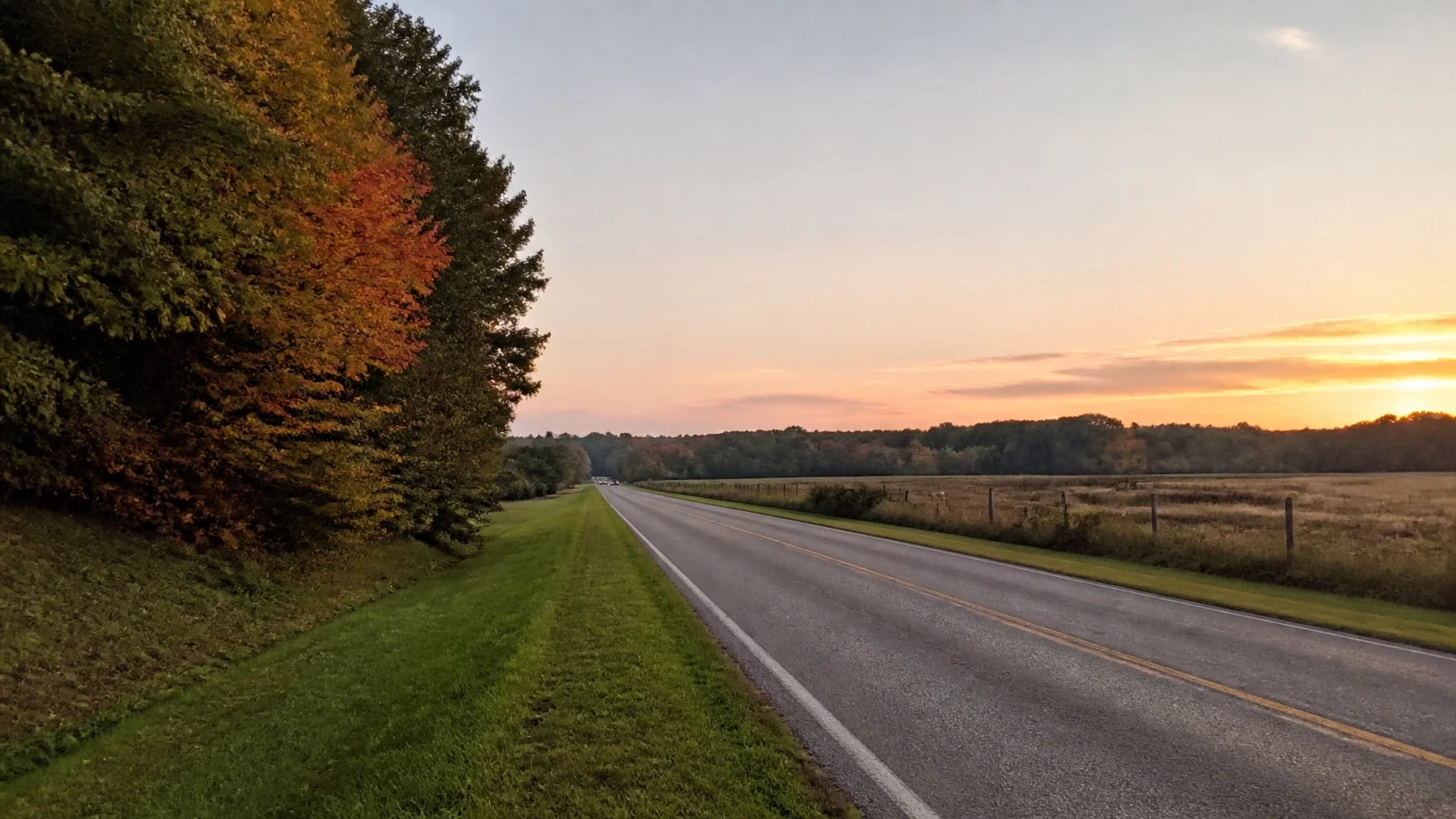
Low light around sunrise and sunset can make deer harder to see. Leaves, tall grass, curves, and roadside development may further limit your view.
Ohio State Highway Patrol recommends scanning ahead, using high beams when appropriate, and taking extra care at dawn and dusk. The Ohio Turnpike’s official safe-driving guidance also emphasizes focus and avoiding distractions.
If you see one deer, continue watching carefully because another may follow. A deer near the shoulder may move unpredictably, so active observation, appropriate speed, and following distance matter.
How to Reduce the Risk Before and During a Drive
A few practical habits can improve your ability to notice and respond to wildlife.
Reduce distractions. Put your phone away and set navigation before moving.
Watch the road edges. Look beyond the lane directly in front of you. Pay attention to movement, reflected eyes, and gaps in vegetation along both shoulders.
Adjust your speed for visibility. Posted speed limits still matter, but a lower speed may be appropriate when visibility is reduced by darkness, curves, rain, or roadside vegetation.
Use high beams only when appropriate. On a dark road with no oncoming traffic and no vehicle immediately ahead, high beams may help you see farther. Dim them for approaching traffic and use them in accordance with traffic conditions.
Leave space around your vehicle. Following too closely reduces the time available to brake if the vehicle ahead reacts to an animal.
Be especially alert at dawn and dusk. Take extra care on routes bordered by woods, fields, parks, or open drainage areas.
If a deer enters your path, brake firmly while staying in your lane instead of making an unsafe swerve.
What to Do if a Deer Appears or a Collision Happens
If a deer appears suddenly, brake firmly and try to maintain control. Avoid swerving into traffic, a ditch, a guardrail, a tree, or another lane. If you strike a deer, prioritize safety.
Move to safety if possible. Pull away from traffic if the vehicle can be driven safely. Otherwise, remain inside with your seat belt fastened when possible.
Turn on your hazard lights.
Call for assistance when appropriate. Call 911 if anyone is injured, the roadway is dangerous, or the vehicle creates a serious traffic hazard.
Do not approach the deer. An injured animal may behave unpredictably. Keep a safe distance and wait for law enforcement or other appropriate authorities.
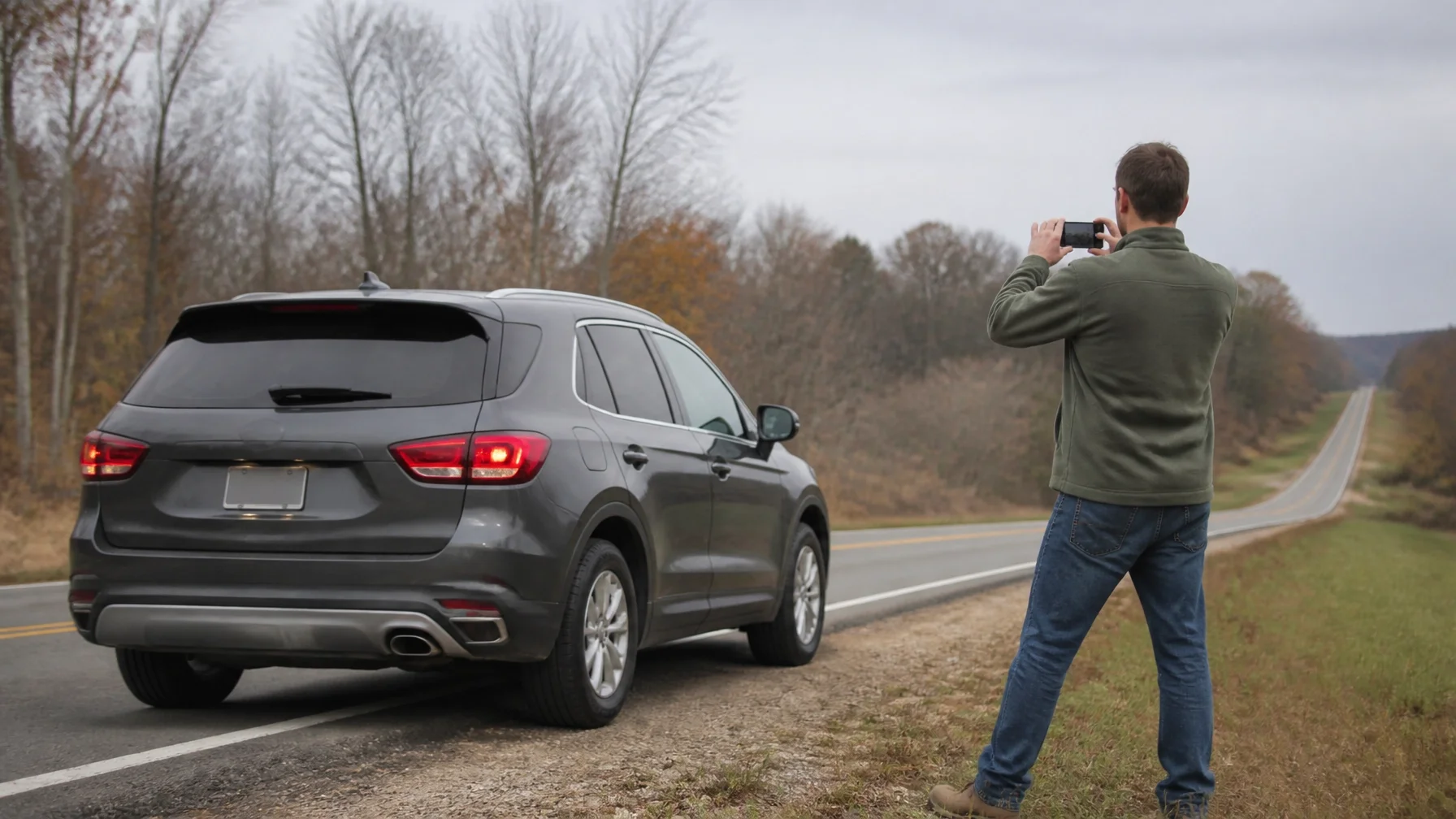
Document the scene from a safe position. If safe, note the location, time, weather, and visible damage. Take photos only from a safe position.
Contact your insurance company or agent. Report the loss according to your policy’s instructions. Rise Insurance is the agency, while the insurance carrier generally investigates covered losses and makes claim decisions under the applicable policy.
Follow your policy’s instructions for prompt notice, cooperation, and preventing additional damage.
Which Auto Coverage May Respond After a Deer Collision?
The coverage that may apply depends on what happened, what coverage you selected, and the policy’s terms, limits, exclusions, and deductible.
Comprehensive coverage, also called other-than-collision coverage, generally may apply when your vehicle directly strikes a deer or another animal. The Ohio Department of Insurance’s Automobile Insurance Guide describes comprehensive coverage as the part of an auto policy that may respond when a driver hits a deer, usually subject to a deductible. The policy and claim circumstances control.
Collision coverage generally may apply when your vehicle hits another vehicle or object, or overturns. For example, if you swerve to avoid a deer and hit a guardrail, tree, ditch, or another vehicle, the resulting vehicle damage may be evaluated under collision coverage rather than comprehensive coverage.
Comprehensive and collision may have different deductibles, which should appear on your declarations page. A policy with liability coverage only generally does not pay to repair your own vehicle after you hit a deer or crash while trying to avoid one. Liability coverage generally addresses covered injuries or property damage you cause to others, subject to policy terms and limits.
“Full coverage” is informal language. Actual protections, limits, and deductibles depend on the declarations page and endorsements.
You can review Rise Insurance auto insurance options to better understand the types of coverage that may be available. Coverage cannot be confirmed from a general article, however. The policy documents and the carrier’s claim determination control.
What to Review Before Fall Driving
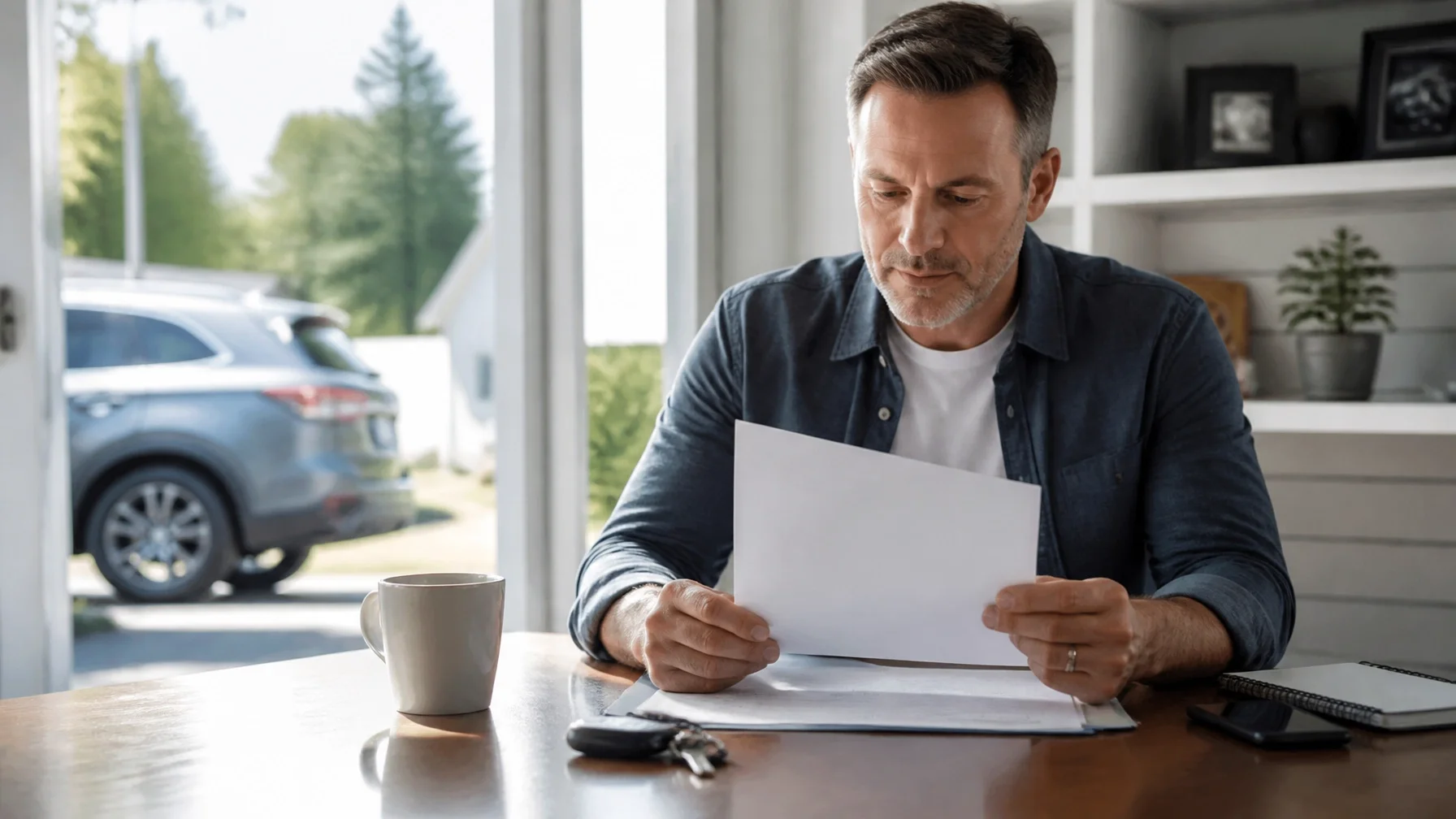
Check comprehensive coverage. Confirm whether it is listed for each vehicle you drive and identify the applicable deductible.
Check collision coverage. Make sure you understand whether it is included and how its deductible differs from the comprehensive deductible.
Review rental or roadside options. These features may be available only if specifically selected or included under the policy. Confirm what conditions, limits, or exclusions apply before relying on them.
Update household information. New drivers, a changed address, a regularly used vehicle, or a household member who now drives your car may need to be reported depending on the policy.
Confirm vehicle details. Replacing a vehicle, adding a leased or financed car, or changing how a vehicle is used can affect the information shown on the policy.
If you are comparing coverage or reviewing an online policy, our article on online quotes versus local agents for Ohio auto insurance offers additional context about checking coverage choices rather than focusing only on the initial price.
Rise Insurance is the agency, not the insurance carrier, which determines outcomes under the policy. For help understanding your comprehensive and collision selections, schedule a call with Rise Insurance for a practical review.
