Flood Insurance in Ohio: What Homeowners Need to Know Before the Water Rises
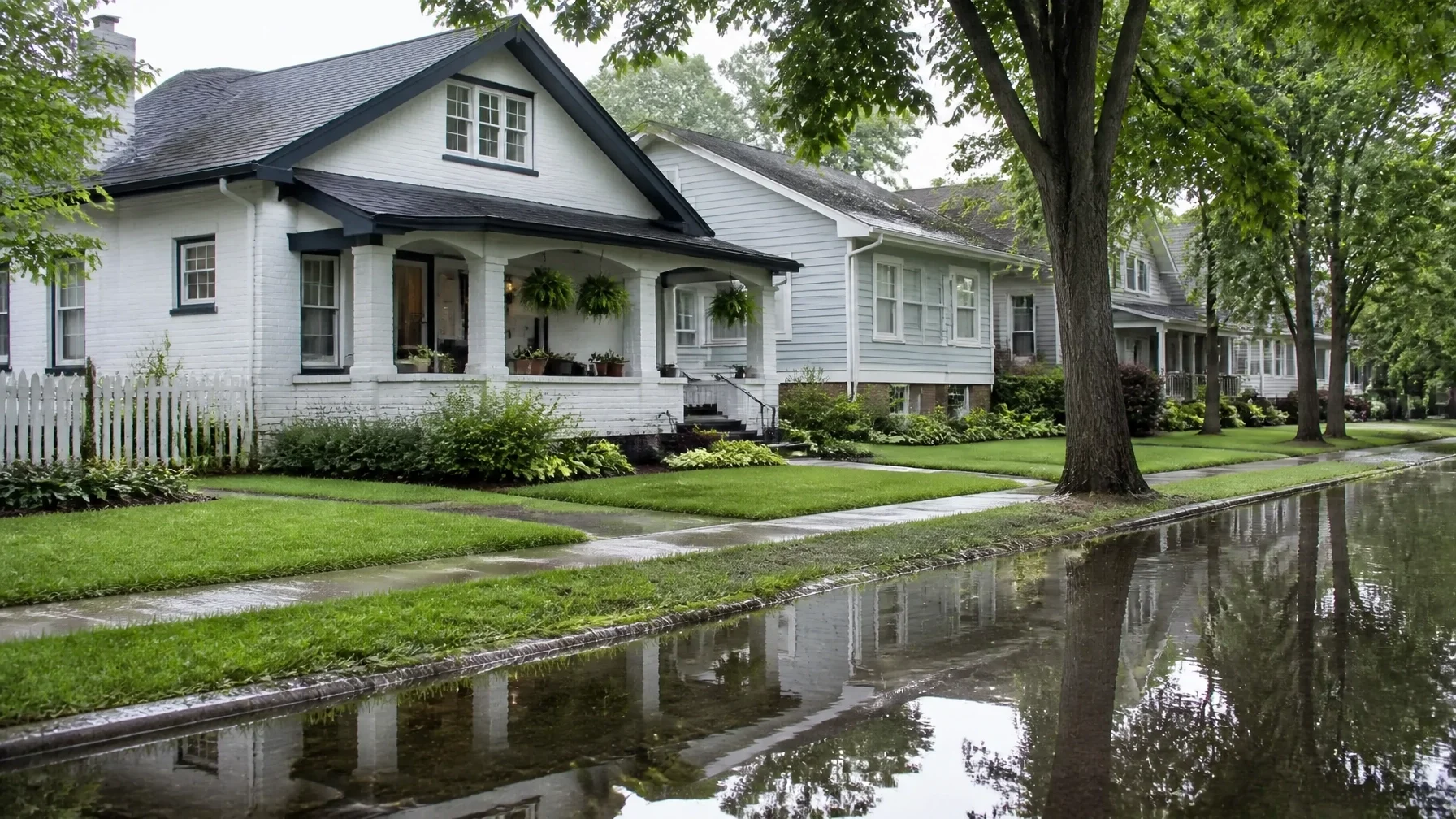
A heavy summer storm moves through Columbus, and water begins collecting along the street near your home. The nearby creek rises, storm drains struggle to keep up, and runoff reaches the basement door. Your first thought may be that your homeowners policy will handle the damage.
Standard homeowners insurance generally does not cover flood damage, even though it may cover certain other types of water damage. Flood coverage is usually purchased through a separate policy, and the details matter before you need to file a claim.
Why homeowners insurance may not be enough
Homeowners insurance is designed to protect your home and belongings against covered causes of loss, subject to the policy terms, exclusions, deductibles, and limits. Depending on the policy, it may respond to damage from events such as certain windstorms, hail, fire, or sudden plumbing problems.
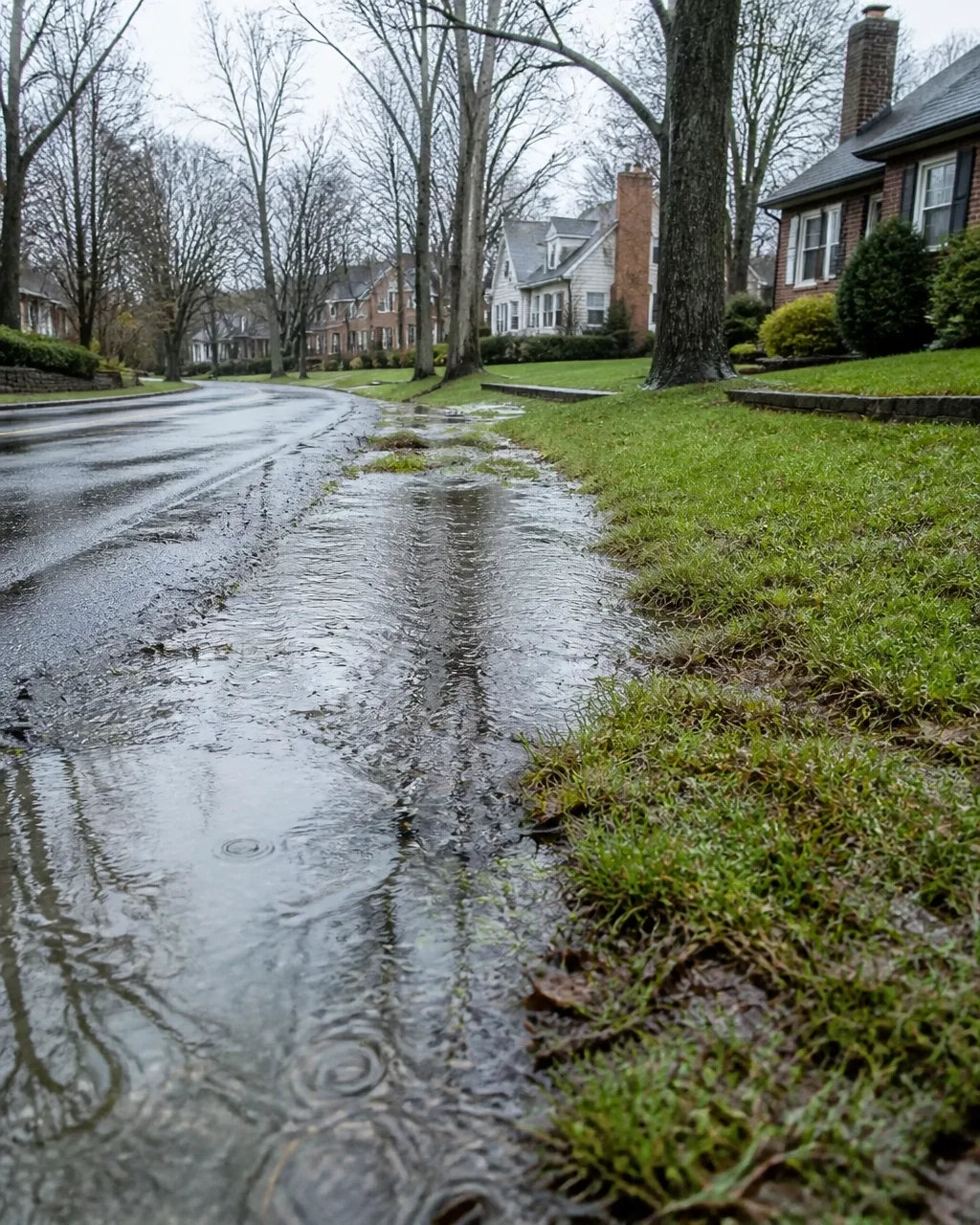
Flooding is treated differently. A flood policy generally addresses water that comes from outside the building and affects normally dry land. The cause may involve overflow from a river or stream, unusual or rapid accumulation of surface water, or runoff after intense rainfall. The exact policy definition controls.
This is why your home insurance coverage and flood insurance should be reviewed as separate parts of your protection plan. A homeowners policy may insure the structure, personal property, liability, and additional coverages, while a separate flood policy may address eligible physical damage caused by flooding.
Flood risk is not limited to homes directly beside the Scioto, Olentangy, or another Ohio waterway. In Central Ohio, intense rainfall can also create problems through surface runoff, overwhelmed drainage systems, low-lying lots, and streams that rise quickly. Older infrastructure and varied elevations can produce different water patterns.
Being outside a mapped high-risk flood area does not mean your home cannot flood. Flood maps are useful, but they do not capture every drainage issue, future development change, or unusual rainfall event.
How flood differs from other water damage
The source and path of the water usually matter when determining which policy may respond. Similar-looking damage can involve very different coverage questions.
Floodwater: Water generally enters from outside the building and affects normally dry land. A separate flood policy may be needed, subject to policy terms and limits.
Sewer backup or water backup: Water may back up through a sewer, drain, or sump system. Some homeowners policies offer an optional water-backup endorsement, while others may not. Coverage can depend on the cause and the endorsement selected.
Plumbing leak: A sudden, accidental leak from a pipe or appliance may be covered by a homeowners policy, depending on the policy language. The cost to repair the failed pipe or appliance may be treated differently from the resulting damage.
Wind-driven rain or storm damage: Rain that enters through a storm-damaged roof, window, or other opening may be handled differently from water that rises from the ground. The policy may examine whether wind created the opening and whether the building was properly maintained.
For example, roof water after a covered wind event is not automatically the same as rising floodwater. The facts, cause, exclusions, endorsements, and policy definitions matter.
When water damage occurs, document the source if it is safe to do so. Take photographs, protect the property from further damage when possible, and contact the appropriate insurer or agent promptly. Rise Insurance is the agency that helps you understand your available policies. The insurance carrier reviews claims and makes coverage decisions under the policy.
What a flood policy may cover
Flood policies generally separate building and contents protection, which may be purchased together or separately depending on the policy available to you.
Building coverage may include:
The insured home and foundation
Electrical and plumbing systems
Furnaces, water heaters, and central air equipment
Built-in appliances and permanently installed fixtures
Permanently installed carpeting, cabinets, and paneling
Certain attached features, staircases, and detached structures
Contents coverage may include:
Furniture, clothing, and electronics
Curtains and certain floor coverings
Washers, dryers, and portable appliances
Some personal belongings kept inside the insured building
Building and contents coverage may have separate deductibles, limits, valuation rules, and eligibility requirements. Land, landscaping, outdoor surfaces, fences, pools, and some equipment outside the building may not be covered.
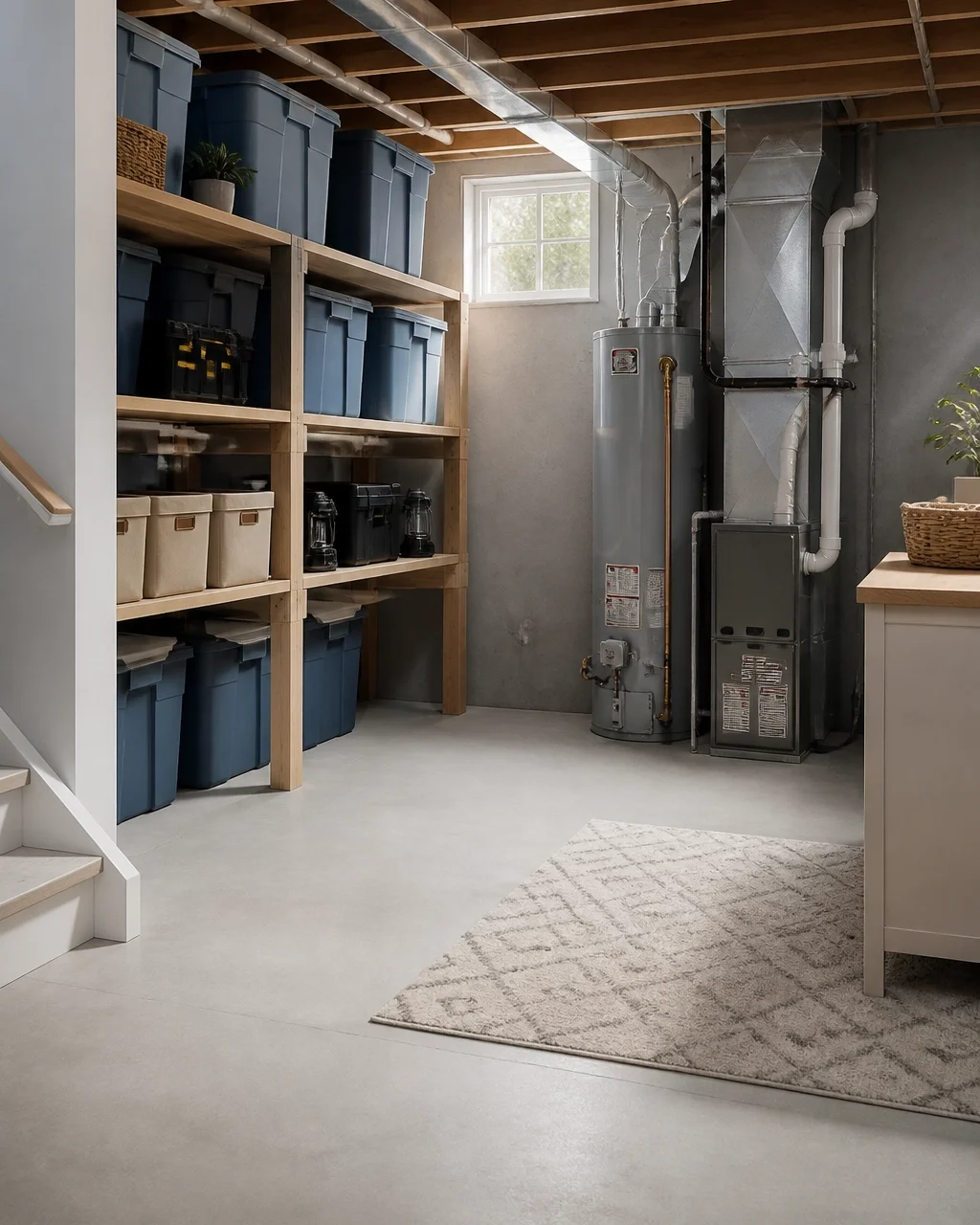
Basement coverage requires special attention. Flood policies may treat basement improvements, finished surfaces, personal property, and certain equipment differently from above-ground items. Review the policy and ask how it applies to your furnace, water heater, laundry equipment, storage, and belongings.
Temporary housing and additional living expenses may also be limited or unavailable under some flood policies, including the NFIP. A private flood policy may have different terms. If relocating during repairs would create a financial burden, ask specifically whether any temporary living expense coverage is available.
Valuation is another important issue. RCV generally covers the cost to replace covered property with like kind and quality, subject to the policy terms, limits, and applicable conditions; ACV generally accounts for depreciation when determining the value of covered property at the time of loss. Your policy may apply different valuation methods to the building and contents, so ask before choosing limits.
How to review your Ohio flood risk and policy
Start with the property address, not only the neighborhood name. The FEMA Flood Map Service Center allows you to search for a location and review available flood map information. Check the current map, but remember that a map is a risk tool rather than a guarantee that flooding will or will not occur.
It is also useful to consider conditions that a broad map may not show clearly:
Distance from a creek, river, retention pond, or drainage channel
Basement entrances, window wells, and low points around the foundation
The slope of the lot and nearby properties
Local stormwater patterns after heavy rainfall
Previous water intrusion or claims at the property
Planned construction or development that could change runoff
If you are buying a home in Clintonville, near the Olentangy River, or elsewhere in Central Ohio, ask your inspector, lender, municipality, and insurance professional for property-specific information. A seller’s disclosure may help, but it is not a substitute for an insurance review.
Next, review the policy structure. Ask whether you are considering an NFIP policy, private flood coverage, or another option. Confirm:
Whether building coverage, contents coverage, or both are included
How basements and below-grade areas are treated
Which valuation method applies to the structure and belongings
The deductible and whether separate deductibles apply
Exclusions for outdoor property, temporary living expenses, or vehicles
Whether there are special conditions for older homes or elevated structures
How the policy coordinates with your homeowners insurance
A lender may require flood insurance for a property in a mapped high-risk area when the mortgage involves a federally regulated or government-backed lender. Even when it is not required, you may choose it because an uncovered flood can create significant financial consequences.

When to consider flood insurance in Ohio
Flood insurance in Ohio may be worth considering if your home is near a river, stream, creek, pond, drainage channel, or low-lying area. It may also deserve attention if your property has a basement, a history of water intrusion, limited emergency savings, or belongings that would be difficult to replace.
You may also want to review it when:
You are purchasing or refinancing a home
A lender raises a flood-zone question
A new flood map affects your area
You are renovating a basement or storing valuable property there
You recently experienced severe rain or surface-water runoff
You want protection that does not depend solely on disaster assistance
Timing matters. FEMA and FloodSmart.gov explain that an NFIP policy generally has a waiting period before coverage begins, commonly 30 days. Exceptions may apply, including certain mortgage-related purchases and map changes. Private flood policies can have different waiting periods and conditions.
That means waiting until a major storm is approaching may not protect you from that event. Review your options well before severe weather, a closing date, or a map change creates urgency.
If you would like help comparing homeowners and flood coverage, schedule a call with Rise Insurance. We are an independent Ohio insurance agency, not the insurance carrier. We can explain policy terms and available options. The carrier you select issues the policy and handles claims under its terms, conditions, limits, and exclusions.
