Fall Home Maintenance in Ohio: What to Check Before Winter Weather Arrives
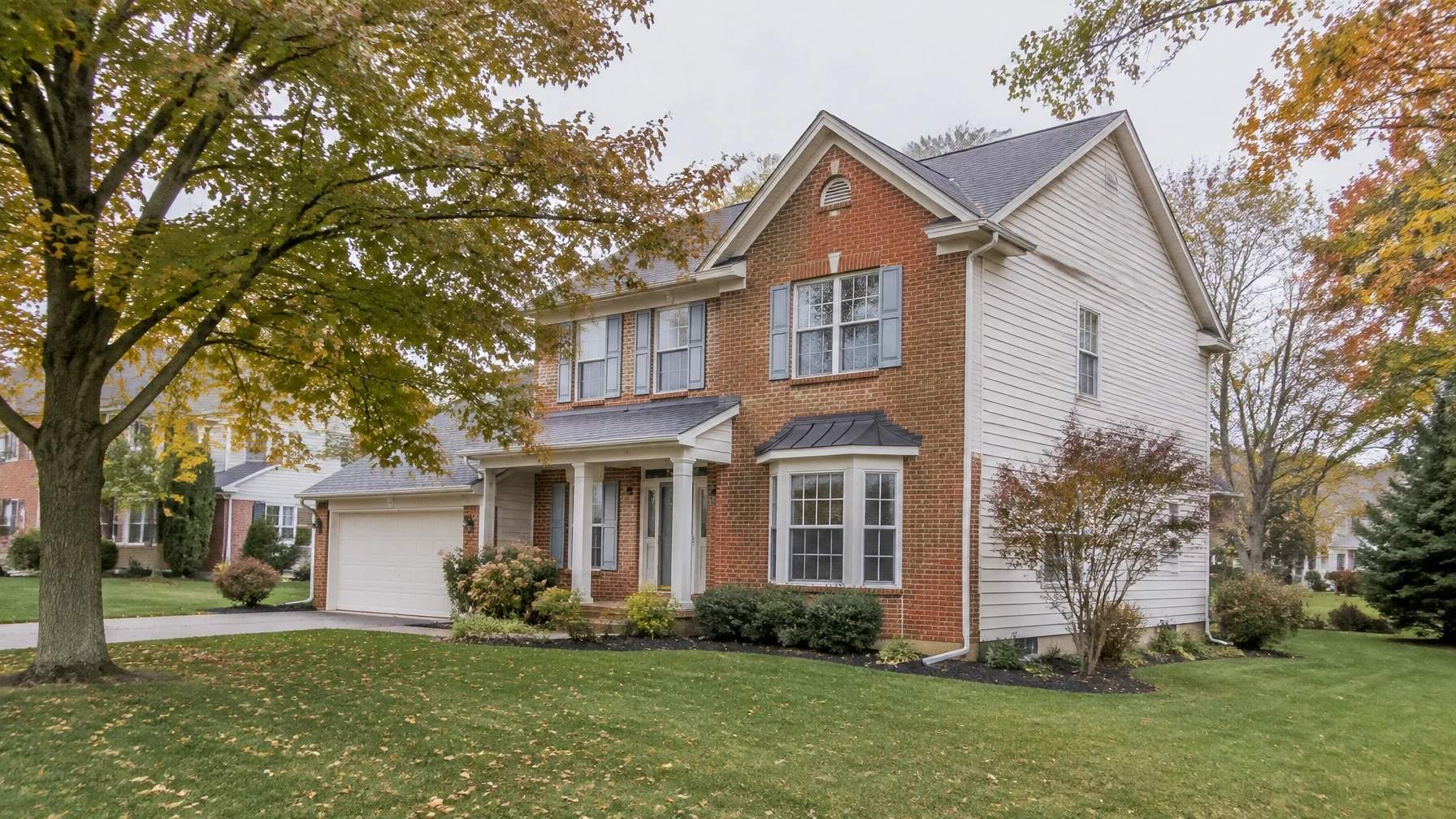
In a Clintonville neighborhood, October can bring bright leaves, heavy rain, and chilly evenings within the same week. An older home may have a basement that takes on water during storms, tree limbs close to the roof, or pipes running through a garage or crawl space. Before winter weather arrives, a calm walk around the property can help you spot maintenance needs and organize your insurance information.
This fall home maintenance in Ohio checklist is designed for early to mid-October.
It focuses on the areas most likely to deserve attention before freezing temperatures, snow, ice, and winter travel complicate a problem. Maintenance does not guarantee that damage will not occur, and it does not automatically make a loss covered. It can, however, help you understand your home’s condition and respond more effectively if sudden damage occurs.
Why fall home maintenance in Ohio supports insurance readiness
Home insurance generally helps protect against certain covered causes of loss, subject to the policy’s terms, exclusions, limits, deductibles, and claim circumstances. It is not usually a maintenance contract. Gradual wear, deterioration, neglected repairs, and damage that develops over time may be treated differently from a sudden, accidental event.
That distinction matters in Ohio. A roof that has been aging for years is different from a roof that is suddenly damaged by a covered storm. A pipe that bursts unexpectedly may be different from long-term seepage or repeated leakage. The policy language and facts of the loss control how a claim is evaluated.
Fall maintenance is about understanding your home before winter. You may be able to:
Identify damaged or deteriorating areas before winter.
Remove leaves and debris that interfere with normal drainage.
Protect vulnerable plumbing and heating equipment.
Photograph the condition of your home and belongings.
Confirm that your policy information is accessible if you travel or manage a winter vacancy.
The Ohio Department of Insurance Severe Weather Toolkit offers additional preparedness information for homeowners.
Your insurance agent can explain policy provisions, but the insurance carrier generally makes claim and coverage determinations according to the policy and the circumstances of the loss.

Start with roof edges, gutters, and drainage
The roofline and drainage system deserve early attention because Central Ohio homes can experience heavy rain, leaf buildup, freezing temperatures, and repeated freeze-thaw conditions. Older Columbus-area housing may also have roof details, additions, chimneys, or enclosed porches that require closer observation.
You do not need to climb onto the roof to begin. From the ground, look for:
Missing, curled, lifted, or visibly damaged shingles.
Loose or separated flashing around roof penetrations.
Gutters that sag, pull away from the fascia, or hold standing debris.
Downspouts that are disconnected or blocked.
Water marks on exterior walls or around basement windows.
Branches resting near or overhanging the roof.
If you are not comfortable evaluating the roof, arrange a qualified inspection. Avoid walking on a wet, icy, or steep roof. A professional may identify conditions that are not visible from the ground and can recommend repairs appropriate to the home.
Clean gutters and downspouts before heavy leaf fall when possible, then check them afterward. Confirm that water can move away from the foundation.
In a home with a basement, drainage deserves special attention because blocked or poorly directed water can contribute to moisture problems. Cleaning the gutters does not guarantee that a future water loss will be covered, but it is a sensible maintenance step.
Ice dams can also become a concern when snow and temperature changes occur. The Ohio Department of Commerce’s guidance on damaging ice dams explains why changing temperatures can leave homes vulnerable. If you notice attic moisture, roof-edge staining, or recurring winter problems, ask a qualified professional to evaluate the roof, attic, insulation, and ventilation. Do not use a policy review as a substitute for correcting a known building problem.
Protect pipes, heating systems, and basements
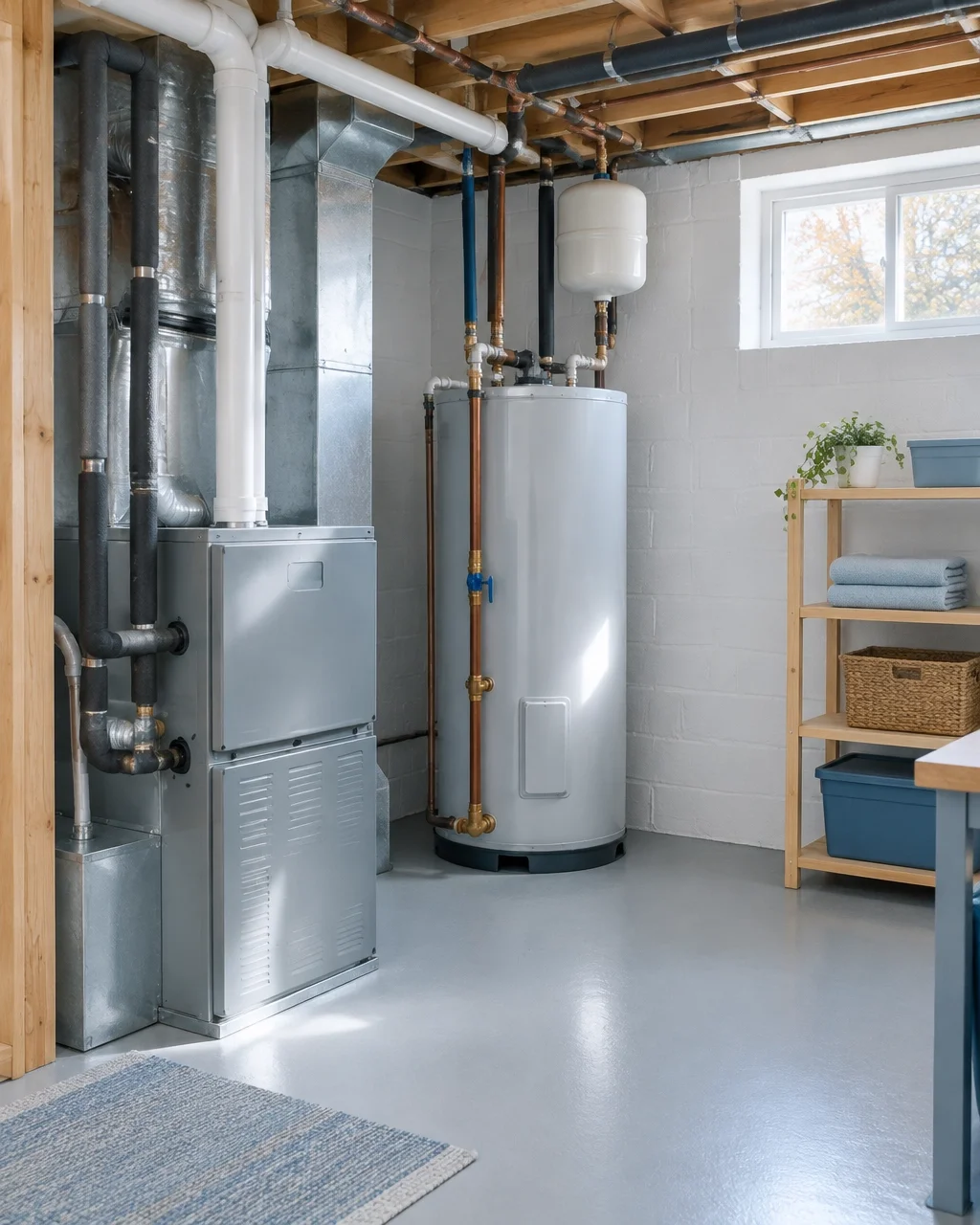
An organized utility area is easier to monitor. Locate the main water shutoff and make sure anyone staying in the home can find it.
This is especially important if you plan to travel, leave the property vacant, or rely on a neighbor to check the home.
Review areas where plumbing may be exposed to cold air, including:
Unheated garages, basements, crawl spaces, and utility rooms.
Pipes near exterior walls.
Outdoor faucets and connected hoses.
Plumbing under sinks located against exterior walls.
Areas affected by drafts or broken windows.
Disconnect and store outdoor hoses according to the equipment’s instructions. Address known drafts and consider professional advice for exposed pipes or vulnerable plumbing. The Ohio Department of Insurance guidance on burst pipes and water damage provides useful context about prevention and insurance questions.
Before using the heating system regularly, arrange service if it is due or if it has shown signs of trouble. Replace or clean filters as appropriate for the equipment, keep supply and return areas unobstructed, and confirm that smoke and carbon monoxide detectors are working. Do not block vents or store combustible materials close to heating equipment.
If the home will be empty during cold weather, do not assume that a vacant or unoccupied home is treated exactly like an occupied one. Policy conditions may address vacancy, reasonable care, temperature settings, inspections, water shutoffs, or other responsibilities. Review those provisions before leaving. Your home insurance policy review with Rise Insurance can help you identify questions to ask about your specific situation.
Check trees, walkways, and exterior areas
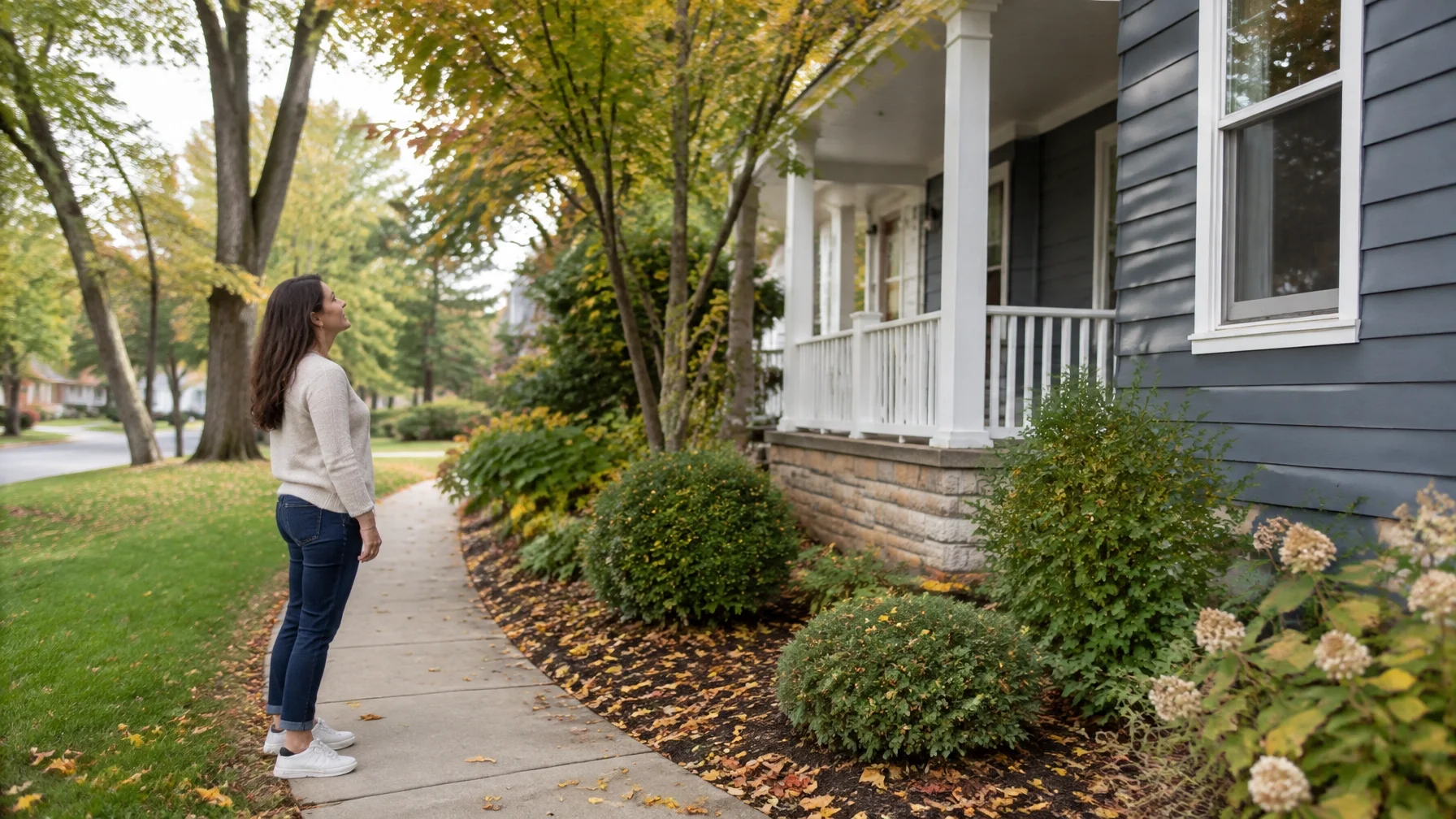
Central Ohio’s tree-lined neighborhoods are part of what makes areas such as Clintonville, Worthington, and older Columbus communities distinctive. They also require seasonal attention. Leaves, branches, and roots can affect roofs, gutters, walkways, fences, and drainage.
Walk the property when conditions are dry and daylight is available. Look for:
Dead or damaged limbs near the house, garage, driveway, or service lines.
Branches contacting the roof or siding.
Uneven walkways, loose steps, or deteriorated handrails.
Cracks or gaps around basement windows and exterior doors.
Loose shutters, siding, trim, or outdoor fixtures.
Leaves collecting around drains, window wells, or foundation areas.
Outdoor furniture or tools that could be moved by strong wind.
Use caution around trees near power lines and hire an appropriately qualified professional when pruning requires climbing or specialized equipment. Do not attempt a risky repair simply because winter is approaching.
Walkway maintenance supports safety and documentation. Photograph existing cracks or uneven surfaces after cleaning the area. Photos cannot determine liability or coverage, but they can provide a dated record.
Document conditions, review coverage, and respond to damage
Create a simple digital or paper home file with:
Current photographs of the roofline, exterior, basement, major systems, and valuable belongings.
Receipts, inspection reports, or contractor records for significant work.
Model and serial information for major appliances when available.
A copy of the declarations page and important policy contact information.
Notes about planned travel, seasonal vacancy, or a person checking the property.
A list of questions about deductibles, exclusions, limits, and endorsements.
Keep the file accessible and do not store the only copy inside the property.
If maintenance reveals damage, do not assume it is either covered or excluded before reviewing the facts. Protect people from immediate hazards, take reasonable steps to prevent additional damage when safe, and document what you found. For a water issue, knowing the shutoff location may help limit further damage. For storm damage, photographs from a safe location can be useful. Keep invoices and records for emergency services or temporary measures.
Then notify the appropriate parties promptly according to your policy instructions. The carrier generally investigates the claim and determines coverage or settlement under the policy. Rise Insurance is an independent agency that can help you understand your insurance options and prepare questions, but we do not determine claim settlements.
Early organization can make winter decisions less rushed.
If you would like to review your home policy, upcoming travel plans, or questions about fall home maintenance in Ohio that homeowners commonly face, schedule a conversation with Rise Insurance at a convenient time.
