
On a late-October evening in Worthington, a recently inherited ring sits in a jewelry box upstairs. Over the next few months, that ring may be worn to family gatherings, stored at home, or given as an engagement gift. Its owner may assume a homeowners policy protects it for its full value.
That assumption can be costly. A standard homeowners or renters policy may include coverage for jewelry, watches, collectibles, firearms, artwork, and other personal property, but special limits can apply. Those limits may be much lower than the item's actual value, especially for theft losses.
Why ordinary personal property limits can surprise Ohio households
Personal property coverage generally protects belongings against covered causes of loss, subject to the policy's terms, limits, exclusions, and conditions. It can apply to possessions inside the home and, depending on the policy, to some belongings away.
However, many homeowners and renters policies contain special limits of liability for particular categories of property. These commonly include money, jewelry, watches, furs, silverware, firearms, coins, stamps, cameras, or other valuables. The limit may apply specifically to theft, while other causes of loss may be handled differently.
The specific categories, dollar limits, and whether a limit applies only to theft depend on the policy form. Review both the declarations page and the policy wording rather than relying on a general assumption about what a standard policy includes.
For example, a Clintonville household may have inherited family jewelry that is worth more than the applicable jewelry limit. A Columbus household may own firearms or an Ohio State memorabilia collection that has grown over many years. A family in Dublin or Powell may have recently purchased a watch, artwork, or collectible that was never added to the policy.
The issue is not necessarily that the item has no coverage. The issue is that the coverage may not respond at the level the owner expects. The NAIC’s consumer guide to home insurance explains that a scheduled personal property endorsement or personal article floater may be used for items such as jewelry, furs, stamps, coins, guns, computers, antiques, and other property whose value may exceed ordinary homeowners limits.
Personal articles insurance in Ohio can provide a scheduling option
A scheduled personal property endorsement is an endorsement or rider added to an existing homeowners or renters policy. It identifies particular items, or sometimes collections, and assigns additional coverage terms and limits to them.
A separate personal articles policy may also be available, depending on the carrier and the item. Eligibility, covered item types, valuation methods, documentation requirements, and exclusions vary.
Scheduling may provide broader coverage and higher limits than the underlying policy's standard personal property coverage. It may also cover accidental loss, loss away from home, or mysterious disappearance when the applicable form includes those causes of loss. Some scheduled property forms may provide no deductible for a scheduled item. That feature is not automatic and remains subject to the carrier's form, underwriting, and policy terms.
The NAIC explanation of endorsements and riders notes that an endorsement changes the original policy terms and becomes part of the insurance contract. It may add coverage, modify coverage, or exclude coverage, and it typically adds cost.

Items that may be considered for scheduling include:
Engagement rings and other fine jewelry
Watches and luxury personal accessories
Fine art, antiques, and inherited pieces
Coins, stamps, and sports memorabilia
Cameras, lenses, and musical instruments
Collectible or functioning firearms
Items that regularly travel between a home, a safe deposit box, an off-site storage unit, or a college dorm
Renters can schedule valuable property too. A landlord's policy does not insure a tenant's personal belongings. If an Ohio renter owns a valuable camera, engagement ring, collection, or instrument, the renter may need to discuss scheduling it under the applicable renters policy or a separate personal articles policy.
How valuable items are valued and documented
Valuation affects how a covered loss is handled. Ask how the proposed coverage treats these methods.
Agreed value generally means the policy identifies an amount for a scheduled item that the carrier and policyholder accept when the coverage is written. Scheduled items are often handled on an agreed value basis, but the policy controls. An appraisal, receipt, or other valuation evidence may be required.
Replacement cost generally covers the cost to replace covered property with like kind and quality, subject to the policy terms, limits, and applicable conditions.
Actual cash value generally accounts for depreciation when determining the value of covered property at the time of loss.
The carrier may ask for documentation such as:
A recent appraisal or purchase receipt
Clear photographs of the item
A description, identifying features, and current value
Serial numbers, certificates, or provenance where applicable
Secure storage details
Whether the item is regularly worn, stored, transported, loaned, or used
Information about whether the item belongs to a set or collection
A recently purchased watch may be supported by a receipt and photographs. Inherited jewelry may need an appraisal. A firearms collection may require serial numbers. Fine art may require documentation of authenticity or provenance.
Keep in mind that an appraisal does not create coverage by itself. It helps document value for underwriting and claim review, while the policy determines whether a loss is covered and how it is settled.
What scheduled coverage may still exclude
Scheduling an item does not mean every type of damage is covered. The endorsement or separate policy may still contain exclusions, conditions, and reporting requirements.
Depending on the policy, coverage may be limited or excluded for:
Gradual wear and tear
Damage from insects, deterioration, or other maintenance-related causes
Breakage of certain fragile items
Mysterious disappearance when the form does not include it
Damage while an item is being repaired, altered, shipped, or transported
Items used in a business
Loss while property is outside the home, if the form limits off-premises coverage
Damage to only one piece of a pair or set
Items stored in a location that does not meet the policy's requirements
Ask specifically whether accidental loss, disappearance, travel, repair, shipping, and storage are included. A camera used for a paid photography business may need different treatment from one used for personal travel.
Rise Insurance can help review whether your existing home insurance coverage options appear suited to your personal property needs. The insurance carrier issues the policy and makes coverage and claim determinations under the contract. Rise Insurance is the independent agency that helps you review your needs and compare available options.
A late-fall review for Central Ohio households
Late October can be a practical time to review valuable personal property. Earlier darkness means more time indoors with belongings you may overlook. Holiday gifts, gatherings, travel, and the engagement season ahead may also change what you own, where it is stored, and how often it is used.
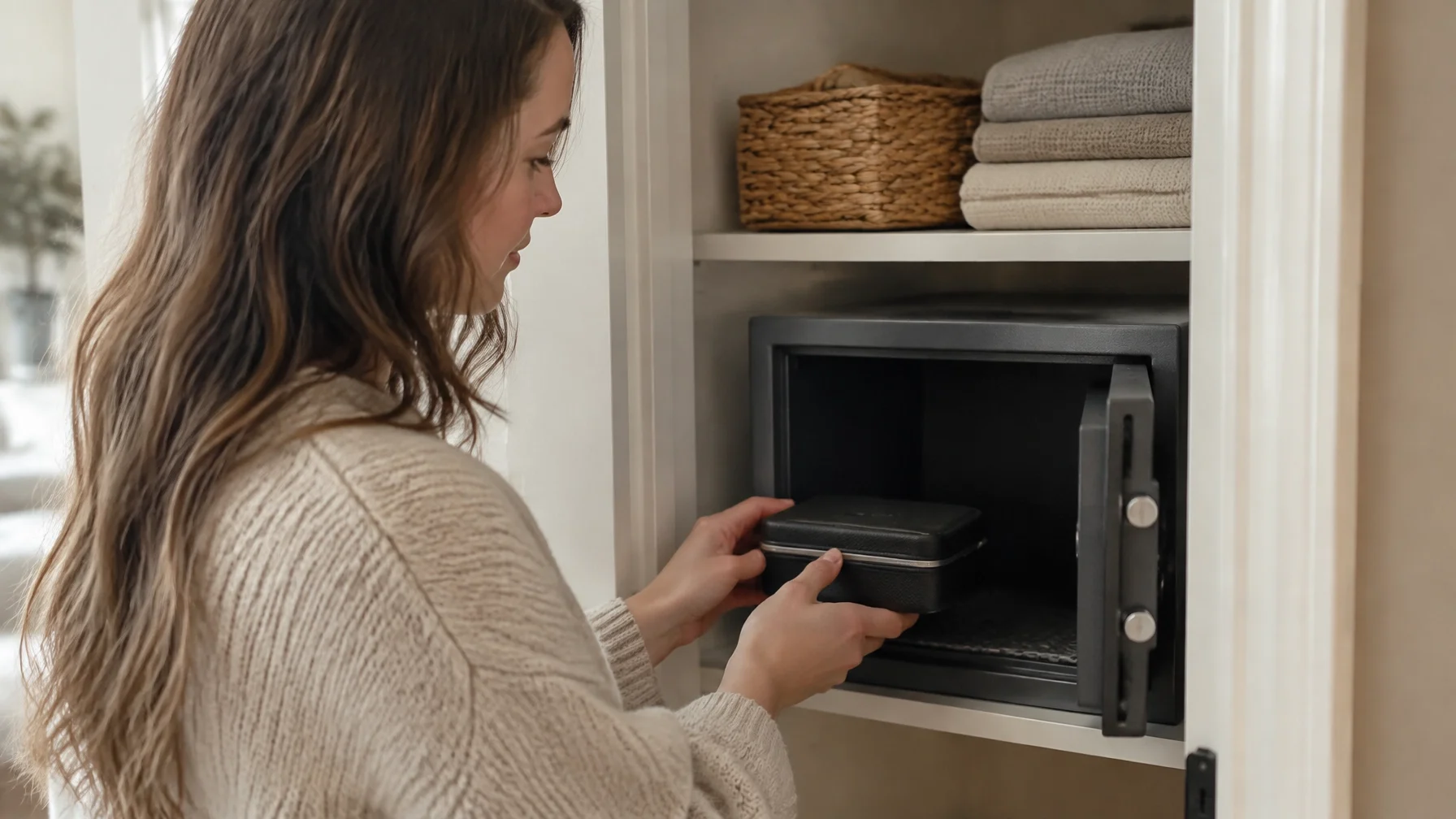
A simple maintenance habit can help:
Keep a room-by-room home inventory current.
Photograph valuable items and record receipts, appraisals, serial numbers, and descriptions.
Store the inventory and supporting records outside the home, such as in secure cloud storage or a safe deposit box.
Review special limits on the declarations page and confirm how they apply to theft and other losses.
Revisit coverage whenever an item is bought, inherited, appraised, gifted, sold, or moved to another location.
Ask how newly acquired items are treated and whether they must be reported within a specific period.
This habit can be useful for a Worthington family with inherited jewelry or a Columbus collector with firearms or Buckeye memorabilia. It can also help a student or family member living in a college dorm keep track of valuable belongings away from the primary home.
If you are unsure whether your jewelry, collectibles, artwork, cameras, musical instruments, or firearms fit within your current limits, bring your declarations page and available documentation to an insurance review. When you are ready, schedule a conversation with Rise Insurance to discuss whether scheduling or a separate personal articles option may fit your situation.
