Uninsured Motorist Coverage in Ohio: What Happens When the Other Driver Has No Insurance
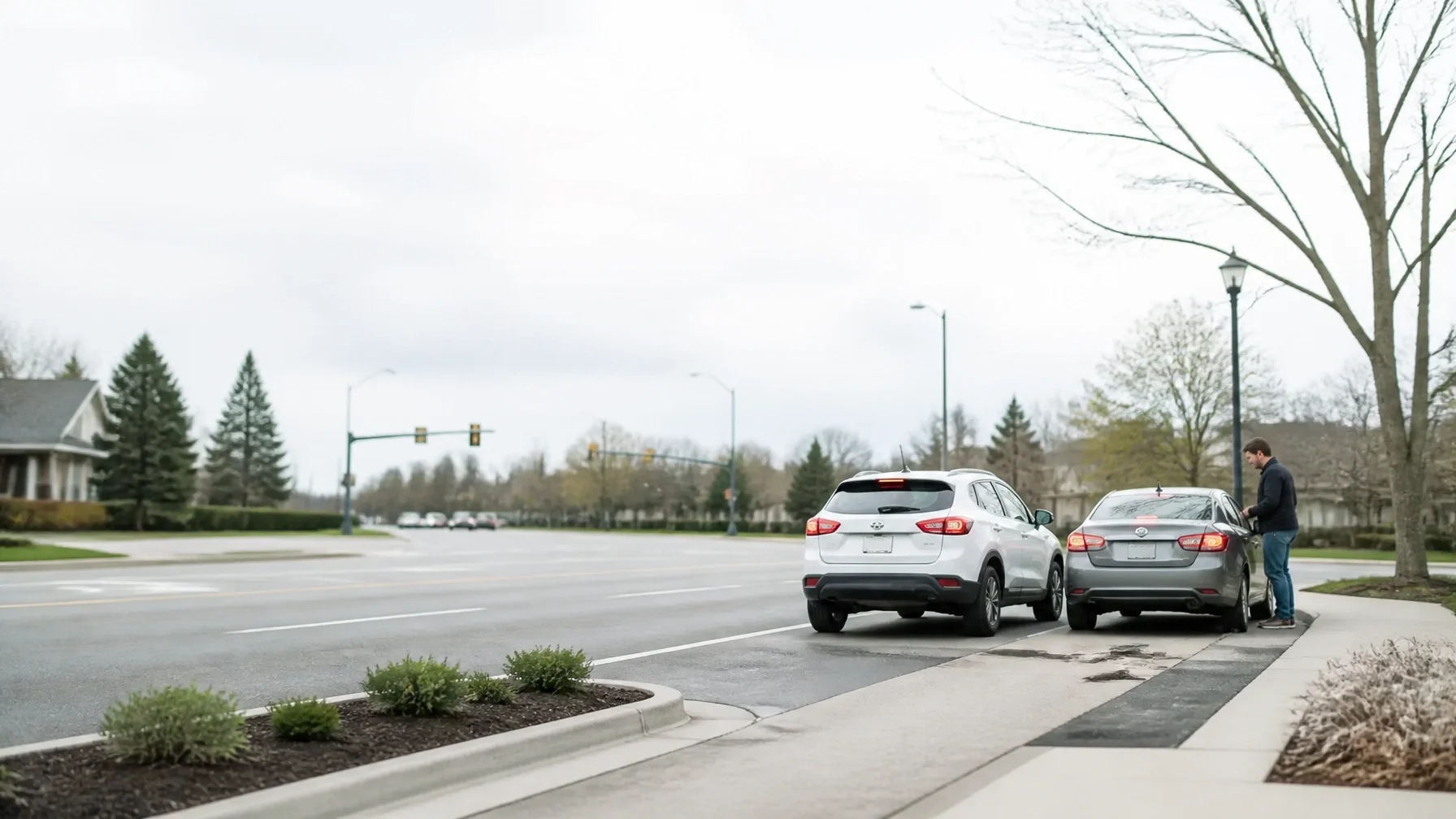
On a weekday morning, you are driving toward Columbus on I-71 when another driver changes lanes and hits your vehicle. The other driver says they have insurance, but later you learn the policy lapsed. Or perhaps the driver leaves before you can exchange information.
That is where uninsured motorist and underinsured motorist coverage may help, but whether coverage applies depends on your policy, the facts of the accident, applicable law, and the limits you selected.
Meta description: Learn how uninsured motorist coverage Ohio drivers may use to protect against uninsured or underinsured at-fault drivers.
What uninsured motorist coverage Ohio drivers should know
Uninsured motorist coverage, often abbreviated UM, generally protects insured people for covered bodily injury caused by a driver who has no bodily injury liability insurance, has coverage denied or an insolvent insurer where applicable, or causes a qualifying hit-and-run.
Whether the policyholder, resident family members, passengers, or people occupying a covered vehicle are insured depends on the policy’s definitions and terms.
Ohio requires drivers to maintain financial responsibility. The state’s minimum liability limits are generally expressed as $25,000 per person, $50,000 per accident for bodily injury, and $25,000 for property damage. Those limits protect other people when you are legally responsible for an accident.
Ohio law permits an auto policy to include uninsured motorist coverage, underinsured motorist coverage, or both. The current text of Ohio Revised Code Section 3937.18 states that a policy may, but is not required to, include these coverages. Because insurance laws and policy forms can change, your agent can help you confirm what is being offered and what you have accepted or rejected.
How UM and UIM coverage work after a crash
Underinsured motorist coverage, or UIM, addresses a different problem. The at-fault driver has insurance, but the available bodily injury liability limits may be less than your covered, legally recoverable damages.
Ohio Revised Code Section 3937.18(C) describes underinsured motorist coverage as protection that applies when the limits available under all bodily injury liability policies covering the liable parties are less than the limits of your UIM coverage. The statute also addresses other applicable liability coverage and limit reductions.
Any payment still depends on the injuries involved, legal responsibility, available liability limits, your selected UM/UIM limits, other applicable insurance, your policy terms, and whether the claim satisfies the policy’s requirements.
The distinction between UM and UIM is simple:
UM applies when the responsible driver has no applicable bodily injury liability coverage.
UIM may apply when the responsible driver has some coverage, but the available limits are not enough for the injuries and damages involved.
A hit-and-run claim can be more complicated. Ohio law recognizes certain unidentified drivers as uninsured motorists, but the injured person generally must provide evidence beyond the insured person’s own statement. Report it promptly and follow the notice and cooperation requirements in your policy.

When a policy includes UM/UIM coverage, it may also contain conditions and exclusions allowed by law for situations involving an unlisted vehicle, use without a reasonable belief of permission, a person who is not an insured, an excluded driver, or vehicles and circumstances outside the policy’s covered definitions.
Your policy may also include anti-stacking provisions. Stacking generally refers to combining UM/UIM limits from multiple vehicles or policies. Ohio law allows policies to include terms that preclude certain types of stacking. Whether a particular provision applies depends on the policy language and the facts.
Property damage is another area where people can be surprised. Ohio Revised Code Section 3937.181 addresses coverage made available for damage to a specifically identified vehicle caused by an identified uninsured motorist when the policy includes UM/UIM coverage. The statute allows limits and a deductible within specified boundaries. If collision coverage applies to damage caused by an uninsured motorist, the insurer may not have to provide separate uninsured motorist property damage coverage.
The Ohio Revised Code and your policy control. If a serious injury, disputed fault, settlement, or legal deadline is involved, consider speaking with a qualified Ohio attorney. Your insurance carrier, not Rise Insurance, investigates claims, evaluates covered damages, and makes claim or settlement decisions under the policy.
What UM/UIM may cover, and what it may not
UM/UIM is most often discussed as bodily injury protection. Depending on the policy, it may help address damages connected with covered injuries, such as:
Reasonable medical expenses.
Lost wages or income.
Reduced ability to earn.
Pain and suffering.
Other legally recoverable damages, subject to the policy and applicable law.
That does not mean each category is automatically covered or paid, and the carrier may require proof of the injury, the accident, legal responsibility, and the amount of damages.
UM/UIM bodily injury coverage is different from coverage for physical damage to your vehicle. Depending on your policy, vehicle damage may instead fall under:
Collision coverage, which generally applies to damage from a collision, subject to the deductible and policy terms.
Uninsured motorist property damage coverage, if available and selected.
Other applicable coverage, depending on how the accident occurred.
Coverage can depend on the vehicle occupied, its owner, and whether it is listed, especially with multiple vehicles, borrowed vehicles, motorcycles, or family members at different addresses.
How to review your UM/UIM limits in Ohio
Choosing UM/UIM limits involves more than deciding whether you want the coverage. You also need to understand how the limits relate to your liability coverage and your household’s circumstances.
Start by reviewing your declarations page. Look for:
Whether UM coverage is included.
Whether UIM coverage is included.
The bodily injury limits shown for UM/UIM.
Whether property damage coverage is listed separately.
Any deductible that applies to vehicle damage.
Whether the coverage is provided per person and per accident.
Exclusions or endorsements that change the standard policy language.
In Ohio, the bodily injury limits for UM/UIM generally cannot be viewed in isolation from your liability limits. If you carry only the state minimum liability limits, your available UM/UIM options may be limited accordingly. Higher liability limits may allow higher UM/UIM limits, depending on the carrier and policy form.
Consider these questions during a policy review:
Who regularly drives your vehicles?
Make sure household drivers, young drivers, and regular users are accurately disclosed.Which vehicles are insured?
Confirm that every regularly used vehicle is listed correctly, including recently purchased or leased vehicles.Would an injury interrupt your income?
UM/UIM may be worth discussing if lost income could create financial pressure for your household.Do you have significant medical or financial responsibilities?
Consider how an accident could affect your family, especially if you support children or other dependents.Do you carry collision coverage?
This may affect how damage to your vehicle is handled after an uninsured-driver accident.Have you changed addresses or household arrangements?
Moving between Clintonville, Dublin, Worthington, or another Central Ohio community can affect how vehicles and drivers should be listed.
What to do after an accident with an uninsured driver
If another driver hits you and appears to have no insurance, focus on safety and documentation.
Move to safety if you can.
Call 911 when appropriate.
Exchange information if the driver stays.
Take photos of the vehicles, roadway, signals, and damage.
Collect witness names and contact information.
Do not pursue a driver who leaves.
Report a hit-and-run promptly.
Notify your insurance carrier as required.
Keep records of treatment, missed work, repairs, and related expenses.
Avoid signing a release or accepting a settlement too soon.
Rise Insurance is an independent agency that helps clients review coverage options from insurance carriers, but we do not pay claims, determine fault, or decide settlements.
You can learn more about Rise Insurance auto insurance services and review how online quotes compare with working with a local Ohio insurance agent.
If you are unsure whether your policy includes UM/UIM coverage or whether your limits still fit your needs, schedule a conversation with Rise Insurance. We can review the declarations page with you and explain the available options without pressure.
