7 Mistakes You're Making with Rental Property Insurance in Ohio (and How to Fix Them)

So, you’ve taken the plunge into the Ohio real estate market. Whether you’ve just bought your first rental property in Clintonville or you’re building a portfolio across Columbus and beyond, congratulations. Being a landlord is a major milestone and a meaningful long-term investment.
But while you’re busy vetting tenants, handling maintenance calls, and planning for the next lease, there’s another part of the business that deserves careful attention: your insurance policy. We see it all the time at Rise Insurance. Landlords often assume that "insurance is insurance," but a rental property creates a different set of risks than an owner-occupied home.
One wrong move could leave you paying for property damage out of pocket, dealing with uncovered lost rent after a claim, or facing a liability issue with less protection than you expected. To help you protect your investment, here are seven common rental property insurance mistakes Ohio landlords make, and how to fix them without overcomplicating the process.
Choosing the Wrong Policy or Liability Limits
Mistake 1: Keeping a homeowners policy after moving out. This is one of the most important issues to get right. Many landlords assume that because they once lived in the home, their old homeowners policy will still apply after a tenant moves in.
Standard homeowners insurance is generally built for owner-occupied homes. Once the property becomes tenant-occupied, the risk changes. Depending on the policy terms and how the home is being used, a claim may be reduced or denied if the carrier determines the property should have been insured as a rental.
How to fix it: You generally need a landlord or dwelling policy designed for rental property exposures. These policies may be structured to account for tenant occupancy, landlord liability, and certain income-related protections that a homeowners policy may not provide. If you've recently transitioned a home into a rental, schedule a call immediately to make the switch.
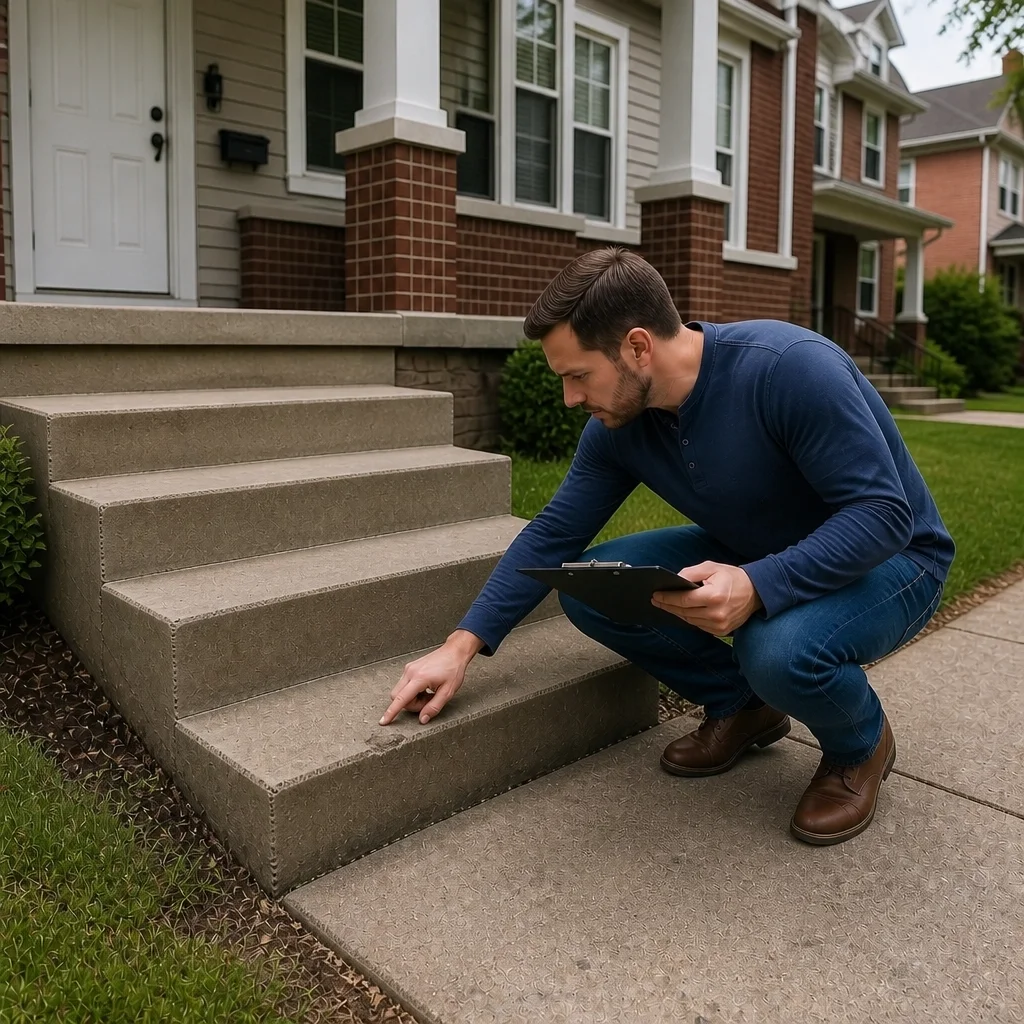
Mistake 2: Carrying liability limits that are too low. Liability often gets less attention than the building itself, but it matters just as much. If a tenant, guest, contractor, or delivery driver is injured on the property, the claim may involve medical costs, legal defense, and potential damages, subject to policy terms and limits.
Default liability limits on some rental property policies may seem adequate until a serious injury happens. Sidewalk slips during a Columbus ice event, porch step falls, or stair injuries in an older Clintonville duplex can create exposures that go well beyond minor repair costs.
How to fix it: Review whether your liability limit still fits the property and your overall assets. Many landlords choose higher liability limits for added protection, and some also consider an umbrella policy for another layer above the underlying policies, depending on the policy terms and eligibility.
Underinsuring the Property or Rental Income
Mistake 3: Insuring the building for the purchase price instead of the rebuild cost. We often hear some version of, "I paid $200,000 for the house, so that’s what I want it insured for." The problem is that market value and reconstruction cost are not the same thing.
If a fire, wind loss, or other covered event seriously damages the property, the policy is generally responding to the cost to repair or rebuild with like kind and quality, subject to the policy terms, limits, and applicable conditions. In parts of Columbus and Central Ohio, labor costs, debris removal, and material pricing can push rebuilding costs well above what an investor originally paid for an older rental.
If the limit is too low, you may end up with a significant out-of-pocket gap. In some cases, underinsurance can also affect how partial losses are settled, depending on the policy language.
How to fix it: Ask your agent to run a current replacement cost estimate so the building limit reflects reconstruction realities rather than the mortgage balance or purchase price. For more on this, check out our guide on home insurance replacement costs.
Mistake 4: Leaving out loss of rental income coverage. Property damage is only part of the financial hit. If an Ohio freeze causes a burst pipe, or a kitchen fire leaves the unit unlivable, repairs may take weeks or months. During that time, rent may stop even though the mortgage, taxes, and other expenses do not.
Some landlord policies include limited loss-of-rents protection, while others may require a separate coverage election or different limit. Without the right setup, a covered property claim can turn into a cash-flow problem.
How to fix it: Make sure your policy includes loss of rental income or similarly named coverage if available, and review whether the limit and restoration period fit the property. The goal is to help replace lost rent when a covered loss makes the home unfit to live in, subject to the policy terms, limits, and waiting periods.
Overlooking Ohio Risks and Property Changes
Mistake 5: Not tailoring coverage to Ohio-specific risks. Ohio rental properties face some very local issues. In Central Ohio, freeze-thaw cycles can stress roofs, gutters, masonry, and exterior stairs. Winter vacancies can increase the risk of frozen pipes. Heavy rain can expose drainage problems. Older Columbus housing stock may also bring concerns around aging roofs, electrical systems, or sewer lines.
Just as important, not every policy automatically includes the same endorsements or water-related protections. Sewer backup, for example, is often handled differently from sudden pipe-break damage and may require specific coverage. Deductible structures can also vary for wind or hail losses.
How to fix it: Review the property with someone who understands local housing conditions and Ohio weather patterns. A local agent can help you look at things like sewer backup options, winterization expectations, and whether your deductible structure is workable for the property. Work with a local agent who understands the Ohio insurance landscape. We can help you add the right endorsements for sewer backup and ensure your wind/hail deductibles are manageable.
Mistake 6: Forgetting to update the policy after renovations or major improvements. Renovations can increase rental value and improve the tenant experience, but they may also change what should be insured. If you finish a basement, remodel a kitchen, replace major systems, or make structural upgrades, the home may cost more to rebuild than it did before.
If the policy still reflects the older version of the property, a future claim may be settled based on outdated information, subject to policy terms and valuation conditions.
How to fix it: Any meaningful upgrade should prompt an insurance review. You do not need to call after every paint job, but larger improvements, layout changes, or major system replacements should be reported so your building limits and coverage assumptions can be updated appropriately.

Misunderstanding Vacancy and Policy Transitions
Mistake 7: Ignoring the vacancy clause. Vacancy creates a separate coverage issue that catches many landlords off guard. A property sitting empty between tenants, during renovations, or while waiting on permits may be treated very differently under the policy after a certain number of days.
That matters because vacant homes generally have a higher risk of vandalism, theft, unnoticed water damage, and weather-related losses. During an Ohio cold snap, a leak in an empty property may go undetected much longer than it would in an occupied one.
How to fix it: Review the vacancy wording before the home becomes empty, not after. Depending on the policy, you may need a vacancy permit, a different form, or a builder's risk-type solution during renovations or long turnover periods. If you know the property will be unoccupied for an extended stretch, let your agent know early so there is time to address the transition properly.
The Rise Insurance Difference: We Raise the Bar
At Rise Insurance, we don't just sell policies. We help landlords think through how coverage applies in the real world. If you own a single rental in Clintonville or several properties around Columbus, our job as the agency is to help you review options, spot gaps, and make sure your policies reflect how the property is actually being used.
Whether you want to meet at our office in Clintonville, talk over the phone, or connect virtually, we’re here to make sure your Home Insurance and landlord coverage are working as hard as you do.
Don't wait for a claim to find out your coverage is lacking. Let’s sit down and review your portfolio to ensure you’re protected on your best and worst days.
Ready to protect your investment?
Request a Personalized Quote Today
