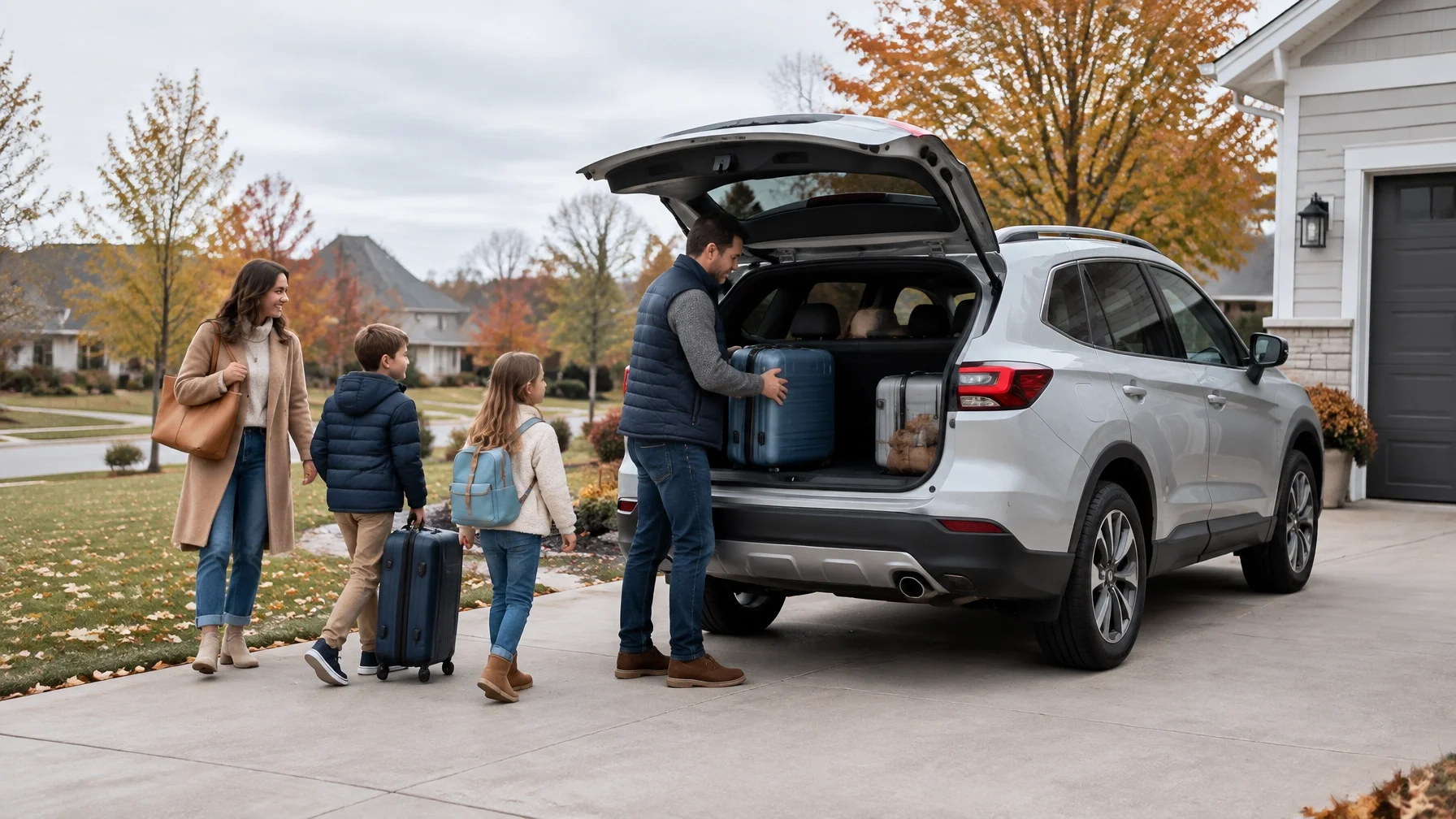
A family leaves Columbus early on a November morning, luggage packed for Thanksgiving and a long drive ahead. Another Ohio traveler flies from John Glenn Columbus International Airport, picks up a rental car at the destination, and heads out before the rental counter gets busier. In both cases, the rental agreement may be signed quickly, but the insurance questions deserve a slower review.
Your personal auto policy may extend certain coverage to a rental vehicle. However, that is not automatic, and the answer depends on the policy, the declarations page, the policy language, and the rental agreement. Before traveling on I-71, I-70, or I-270, understand what may follow you and where a gap could remain.
How Ohio Auto Insurance May Apply to a Rental Car
A personal auto policy generally follows the insured person in some situations rather than only a particular vehicle. Many policies may extend certain coverages to a rental car or temporary substitute vehicle, but the extent, conditions, and exclusions vary by policy and carrier form.
Start with your declarations page and the policy language. The declarations page may show whether you carry liability, collision, comprehensive, medical payments, or other coverage. The policy explains who qualifies as an insured, which vehicles may qualify as temporary substitutes, and how coverage applies.
Your auto insurance coverage options may include several different protections, each addressing a different type of loss:
Liability coverage may apply when you are legally responsible for injury to another person or damage to someone else’s property, subject to the policy’s limits, exclusions, and treatment of rental vehicles.
Collision coverage may help address damage to the rental vehicle caused by a collision, depending on the policy and deductible.
Comprehensive coverage may apply to certain non-collision losses, such as theft or damage from a covered event, depending on the policy terms.
Medical payments or similar first-party coverage, if included, may help address certain medical expenses for you or your passengers, subject to the policy’s terms and limits.
Do not assume that carrying one type of coverage means every other type follows the rental. Liability for an accident involving another person is a separate question from physical damage to the rental car.

Liability and physical damage are separate questions
Ohio’s required minimum liability limits are listed by the Ohio Bureau of Motor Vehicles as $25,000 for injury or death of one person, $50,000 for injury or death of two or more people, and $25,000 for property damage in an accident.
These are Ohio’s required minimums, not a recommendation that those limits will be enough for every accident. When you rent a vehicle, your own liability limits and your policy’s treatment of rental cars control whether and how that coverage applies.
Physical damage to the rental car is different. Collision and comprehensive coverage on an insured vehicle may be relevant to damage or theft involving a rental, but this usually depends on carrying those coverages on at least one vehicle on the policy. The applicable deductible may also carry over, depending on the policy.
For example, if your policy has a collision deductible, that deductible may affect a covered loss involving the rental car. If you carry liability coverage but not collision or comprehensive coverage, damage to or theft of the rental vehicle may create a significant gap.
Other charges may not be treated the same way as the physical damage itself. Depending on the policy and rental agreement, questions may arise about:
Loss of use while the rental company cannot rent the vehicle
Diminished value after repairs
Administrative or processing fees
Towing or storage charges
Damage involving an unauthorized driver
Costs arising from a violation of the rental agreement
Where a loss damage waiver may fit
The loss damage waiver, sometimes called a collision damage waiver, is a rental company product. It is not ordinary auto insurance issued by your insurance carrier. Instead, it may waive or reduce your financial responsibility for covered damage or theft involving the rental vehicle, subject to the waiver’s terms and exclusions.
Whether purchasing it makes sense depends on your own policy, your risk tolerance, the rental vehicle, and the rental agreement. It should not be treated as automatically necessary, and it should not be dismissed as automatically unnecessary.
Read the agreement carefully. A waiver may have conditions involving who drives, where the vehicle may be driven, how an incident must be reported, and what conduct may cause the waiver not to apply. The agreement may also address loss of use, towing, administrative charges, or other costs differently from a personal auto policy.
The rental agreement can create obligations that exist independently of insurance. Signing for responsibility for the vehicle is separate from whether your insurer will pay a claim. Even if you believe your personal policy may respond, you still need to follow the rental company’s reporting, inspection, and return procedures.
Gaps that deserve attention before you leave
The gap that surprises many renters is not always the obvious collision. It may involve damage or theft when the renter does not carry collision and comprehensive coverage, when the policy limits or excludes rental vehicles, or when a deductible applies that the traveler did not expect.
Review these questions before the trip:
Does the policy extend liability coverage to this rental vehicle?
Does it extend collision and comprehensive coverage?
What deductible may apply?
Are loss-of-use, diminished value, administrative fees, towing, or storage addressed?
Are larger vehicles, vans, luxury vehicles, or long-term rentals treated differently?
Are all intended drivers insured under the policy and authorized under the rental agreement?
Personal belongings are generally not protected by an auto policy simply because they are inside the rental car. A homeowners or renters policy may provide some coverage for belongings away from home, subject to its own terms, limits, exclusions, and deductibles. That may include luggage, clothing, gifts, or electronics, but valuable items can have separate limits or conditions.
A landlord’s policy never covers a tenant’s belongings. If you are staying in a rented home or apartment during the holiday, your own renters or homeowners policy is the place to review for personal property protection.
For more guidance, review these rental car coverage questions in our insurance FAQ. The answers can help you identify what to ask before pickup, but your own policy language controls.

A practical pre-trip checklist for Ohio holiday travel
A few simple steps can make the rental process easier when the counter is busy.
Confirm the vehicle’s use. Make sure the rental is not being used for business, delivery, or another excluded purpose. Personal auto coverage may not address those uses in the same way.
Check authorized drivers. Confirm who is listed on the rental agreement and how your policy treats a spouse, family member, friend, or other person who may drive.
Ask about a temporary substitute. If your own vehicle is being repaired after a covered loss, the policy may treat a replacement rental differently from a vehicle rented for vacation travel.
Review geographic limits. International rentals, including travel into Mexico or Canada, may not be covered by a personal policy in the same way as a rental within the United States. Check the policy and the rental company’s requirements.
Check destination requirements. If you rent outside Ohio, review the requirements that apply in the destination state or country. Those requirements may differ from Ohio’s minimums.
Document the vehicle. Before leaving the pickup area, inspect the body, wheels, glass, interior, and fuel level. Follow the rental company’s process for recording existing conditions, and repeat the inspection when returning the vehicle.
Keep the agreement available. Know the reporting process, permitted geographic area, return timing, and restrictions before you drive away.

If you are reviewing your Ohio auto insurance coverage before a Thanksgiving trip, Rise Insurance can help you understand the questions to ask. Rise Insurance is the independent agency. The insurance carrier issues the policy and makes coverage and claim determinations under the contract. We can help review your policy and compare options, but we do not determine whether a particular claim is covered or how it will be settled.
When you are ready, schedule a conversation with Rise Insurance to review your rental plans before you travel.
