Ohio Homeowners Guide: Balancing Your Deductible with Rising Rebuild Costs

Owning a home in Ohio is a point of pride. Whether you’ve finally settled into a charming craftsman in Clintonville or a spacious new build in Worthington, your home is likely your most significant investment. It’s where your family gathers for Sunday dinners and where you find sanctuary after a long day at work.
But lately, you might have noticed a puzzling trend when you open your annual insurance renewal: your premium is climbing, even though you haven't filed a single claim. You aren't alone. At Rise Insurance, we’re seeing this across the Buckeye State. The primary culprit? The skyrocketing cost of construction.
In this guide, we’ll break down why it costs so much more to rebuild today and how you can use your deductible as a "lever" to manage your costs without leaving your family's future at risk.
The Reality of Rising Rebuild Costs in Ohio
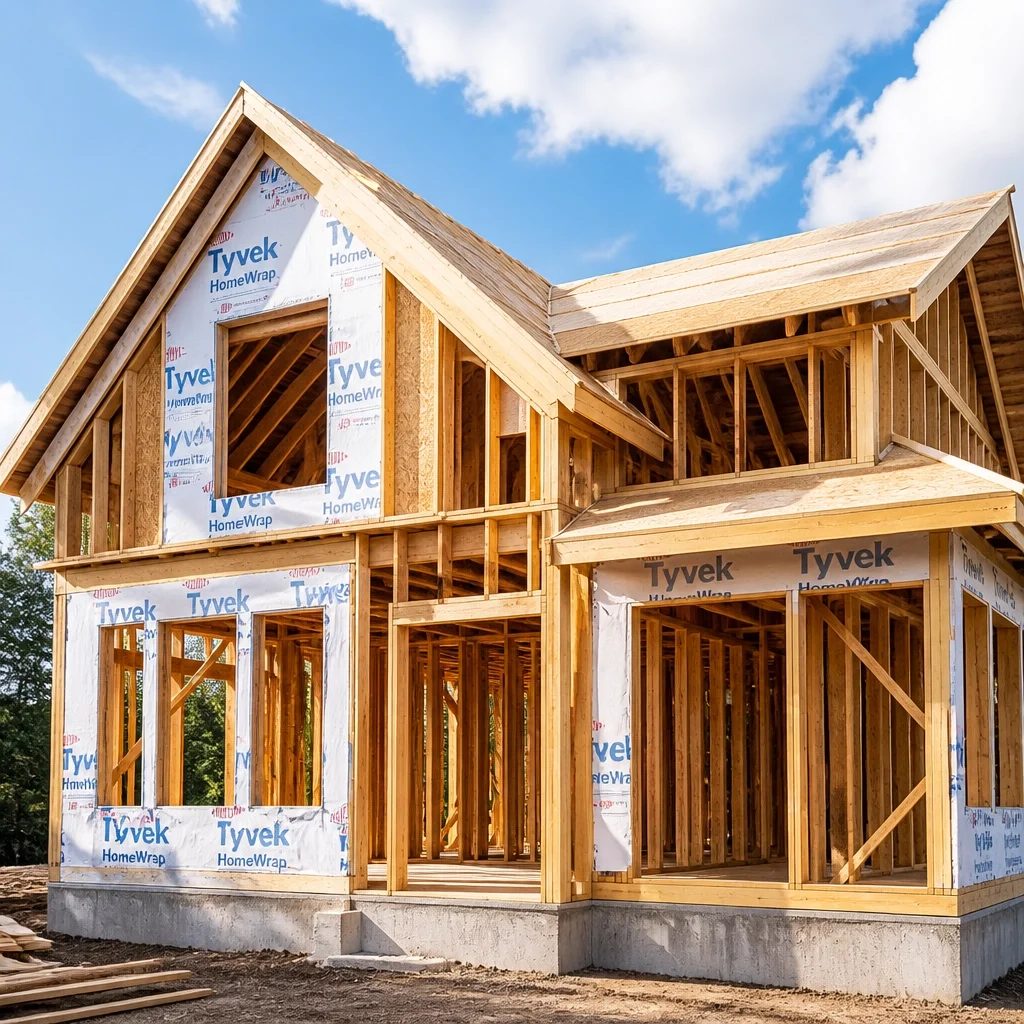
When you look at your homeowners policy, the most important number is Coverage A, also known as your Dwelling Coverage. This isn't what you could sell your house for on Zillow (Market Value); it’s what it would cost to buy the lumber, pay the labor, and physically rebuild your home from the ground up if it were destroyed (Replacement Cost).
Rebuild costs in Ohio have moved substantially over the last several years, and the figure that was right for your home three renewals ago is almost certainly low today.
Why the "Market Value" Doesn't Matter to Your Insurer
One of the most common misconceptions we hear at our Clintonville office is, "My house is only worth $350,000, so why am I insured for $450,000?"
The answer lies in inflation and labor shortages. While the land under your house retains its value, the materials and skilled labor required to rebuild are at historic highs. If a storm sweeps through and levels a neighborhood, the local demand for contractors, roofing materials, and electrical components spikes. Your insurance policy needs to be robust enough to handle those "worst-day" prices.
How Rebuild Costs Drive Your Premium Higher
As construction costs rise, insurance companies must increase your Coverage A limit to ensure you aren't underinsured. Many policies include an inflation guard that adjusts your Coverage A each year. The percentage varies by carrier, some tie it to a construction cost index rather than a flat number, and some policies do not include one at all. It is worth checking which applies to yours.
However, the "double hit" occurs when the base rate also increases. Insurers are paying out more for every claim: whether it’s a small kitchen fire or a major hail loss: because building materials cost substantially more than they did a few years ago.
The result? Higher coverage limits + higher rates per thousand dollars of coverage = a noticeable jump in your monthly or annual premium.
The Deductible Lever: Managing Your Costs
When faced with a rising premium, many homeowners feel helpless. However, you have more control than you might think. The most effective way to lower your premium is by adjusting your deductible.
What is a Deductible?
A deductible is the amount you agree to pay out-of-pocket before your insurance coverage kicks in. It’s your "skin in the game."
Generally, the relationship is simple:
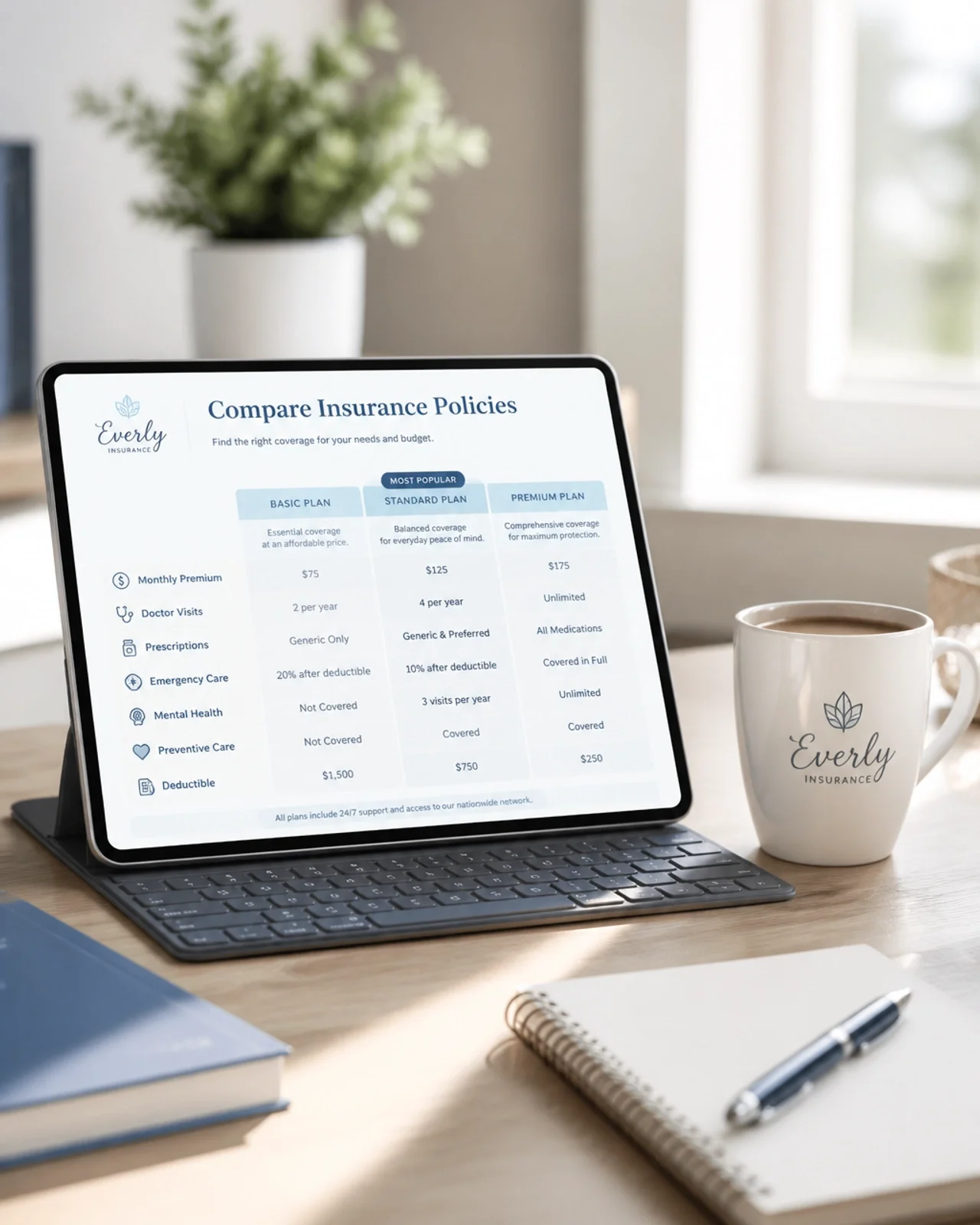
Lower Deductible ($500 or $1,000): You pay less in the event of a claim, but your monthly premium is much higher.
Higher Deductible ($2,500 or $5,000): You take on more risk in a claim, but your monthly premium stays significantly lower.
Is a Higher Deductible Right for You?
Increasing your deductible from $1,000 to $2,500 usually produces a meaningful premium reduction, though how much varies quite a bit by carrier and by home. But it isn’t a "set it and forget it" decision. You should only choose a deductible that you can comfortably afford to pay tomorrow.
Ask yourself these three questions:
Do I have an emergency fund? If a pipe bursts in your basement, do you have $2,500 or $5,000 sitting in a liquid savings account to cover the deductible?
How often do I file claims? If you are the type of homeowner who prefers to handle small repairs yourself and only calls the insurance company for major catastrophes, a high deductible is a smart financial move.
What is the "Payback Period"? If raising your deductible saves you $200 a year, but increases your out-of-pocket risk by $1,500, it would take you 7.5 years of no claims to "break even." If you go 10 years without a claim, you’ve come out ahead.
Choosing the Right Strategy: The Rise Insurance Approach
At Rise Insurance, we don't believe in one-size-fits-all coverage. We know that a family in the Old North Columbus or Short North area has different needs than a business owner in Worthington.
We take a personalized approach to help you find the "sweet spot" between monthly affordability and long-term protection. We use the latest industry tech to run real-time rebuild cost estimators for your specific zip code, ensuring you aren't paying for coverage you don't need: or worse, left short when you need it most.
Key Coverages to Check
While you’re looking at your deductible, we also recommend checking for these two critical "add-ons" that have become vital due to rising costs:
Ordinance or Law Coverage: If your home is older, it may not meet current Columbus building codes. This coverage helps pay for the mandatory upgrades required by law during a rebuild.
Extended Replacement Cost: This provides a "buffer" (usually 25% or 50% above your Coverage A) in case the actual cost to rebuild exceeds your policy limit due to a sudden surge in local construction prices.

Next Steps for Ohio Homeowners
You shouldn't have to navigate the complexities of construction inflation and insurance math alone. Whether you want to meet us at our Clintonville, Ohio office, jump on a virtual call, or just chat over the phone, we are here to help you raise the bar for your coverage.
Take Action Today:
Ask us to run a current replacement cost estimate on your home. It takes a few minutes and it is the only way to know whether your Coverage A is actually where it needs to be.
Check your deductible. Is it still set at $500? You might be overpaying for "small-claim" insurance that you'll never use.
Reach out for a personalized review. Our team can shop your policy across multiple top-rated providers to find the best balance of price and protection.
Don't wait for the next storm or your next renewal notice. Let’s make sure you’re covered on your best and worst days.
Ready to see where you stand? Schedule a quick consultation with our team or get an instant quote to start protecting your Ohio home the right way.
