Roof Replacement & Your Insurance: Why a New Roof Is the Perfect Time to Shop Your Rates

If you live in Ohio, you know the drill. One minute it’s a beautiful spring afternoon, and the next, the sky turns a bruised shade of purple, the wind starts howling, and hail the size of golf balls begins drumming on your roof.
After the storm clears, you’re left with that sinking feeling in your stomach. You see the granules in the gutters and the dented flashing. You realize it’s time for a roof replacement.
While nobody wants to deal with the headache of an insurance claim, there is a practical silver lining that many homeowners, and even some insurance agents, may overlook. Believe it or not, the period right after your new roof is installed can be a very good time to review your homeowners insurance in Ohio
Wait, what? Shop for insurance right after I just filed a claim? Won't my rates go up?
It sounds counterintuitive, but here is the secret: Roof age is one of the significant rating factors carriers consider for home insurance costs. In some situations, a newer roof may improve your home’s insurance profile enough to create better options, even after a claim. That does not mean savings are guaranteed, and results vary by carrier, underwriting rules, and your individual risk.
At Rise Insurance, we help families navigate these exact scenarios every day. Let’s break down why your new roof can be an important factor when it comes to reviewing your property insurance premiums.
Why Roof Age Matters to Insurers
When an insurance company looks at your home, they aren't just looking at the square footage or the zip code. They are calculating risk. And in the world of home insurance in Ohio, roof age is an important factor carriers may consider when evaluating a home’s risk.
Think about it from the insurance company's perspective: an older roof may be more likely to leak, more likely to lose shingles in high winds, and more vulnerable to hail damage.
How Carriers View Roof Age:
0-5 Years: As a general example, this is often a strong position from an underwriting standpoint. Roof-age discounts, eligibility, and coverage treatment vary by carrier, underwriting rules, and policy details. Some carriers offer a new-roof discount, while others may not.
10-15 Years: As a general example, some carriers may begin to change pricing, eligibility, or coverage options once a roof reaches this range, depending on their underwriting guidelines.
20+ Years: As a general example, some companies may be less likely to write a new policy at this age, or they might offer different claim-settlement terms such as Actual Cash Value (ACV). These outcomes are not automatic and vary by carrier and policy.
When you replace that 18-year-old roof with a brand-new one, you aren't just protecting your attic. A new roof can improve the home’s insurance profile for some carriers and may create additional coverage or pricing opportunities.

The Math: New Roof Discount vs. Claim Surcharge
This is where people get nervous. "Jordan," they say, "I just filed a $15,000 claim. My current company is going to hammer me with a rate increase!"
You might be right. Your current company might increase your premium because of that claim. But here is the trick: different insurance companies treat claims and roof age differently.
Let’s look at a simplified example for illustration only:
Before the Storm: You have a 17-year-old roof. You’re paying $2,200 a year.
The Claim: A storm hits, you pay your home insurance deductible, and the insurance company pays for a covered roof replacement, subject to the policy terms and claim settlement.
The Renewal: Your current company adds a claim-related increase, and your rate moves to $2,500 a year.
The "Rise" Strategy: We take your home, now featuring a roof with an age of zero, and shop it across our wide range of providers. Depending on the carrier, underwriting rules, location, claim history, and coverage choices, a different carrier may offer a lower rate, such as $1,600 a year.
This example is not meant to suggest that this outcome is typical or guaranteed. Actual rates depend on the carrier, claim history, location, coverage choices, and underwriting rules. A new roof can improve your home’s insurance profile, but claim impact and roof-age discounts vary by carrier, underwriting rules, claim history, and individual risk, so a new roof does not guarantee that a claim surcharge will be offset.
Pro Tip: Claims can affect eligibility and pricing differently depending on the carrier and the circumstances. Some carriers weigh weather claims differently from other loss types.
Why You Shouldn't Wait to Shop
Many homeowners think they need to wait a few years for the claim to age before they shop for better rates. In many cases, that means missing a good opportunity to compare options while the roof is newly replaced.
A newly replaced roof may be viewed more favorably when the roof is 0, 1, or 2 years old, depending on the carrier’s underwriting approach. As every year passes, that advantage may change. If you wait three years to shop, you may miss a window to compare pricing and eligibility while the roof is still relatively new.
By requesting a quote once the work is complete, you give yourself a chance to compare coverage and pricing at a time when your home may present more favorably to some carriers.
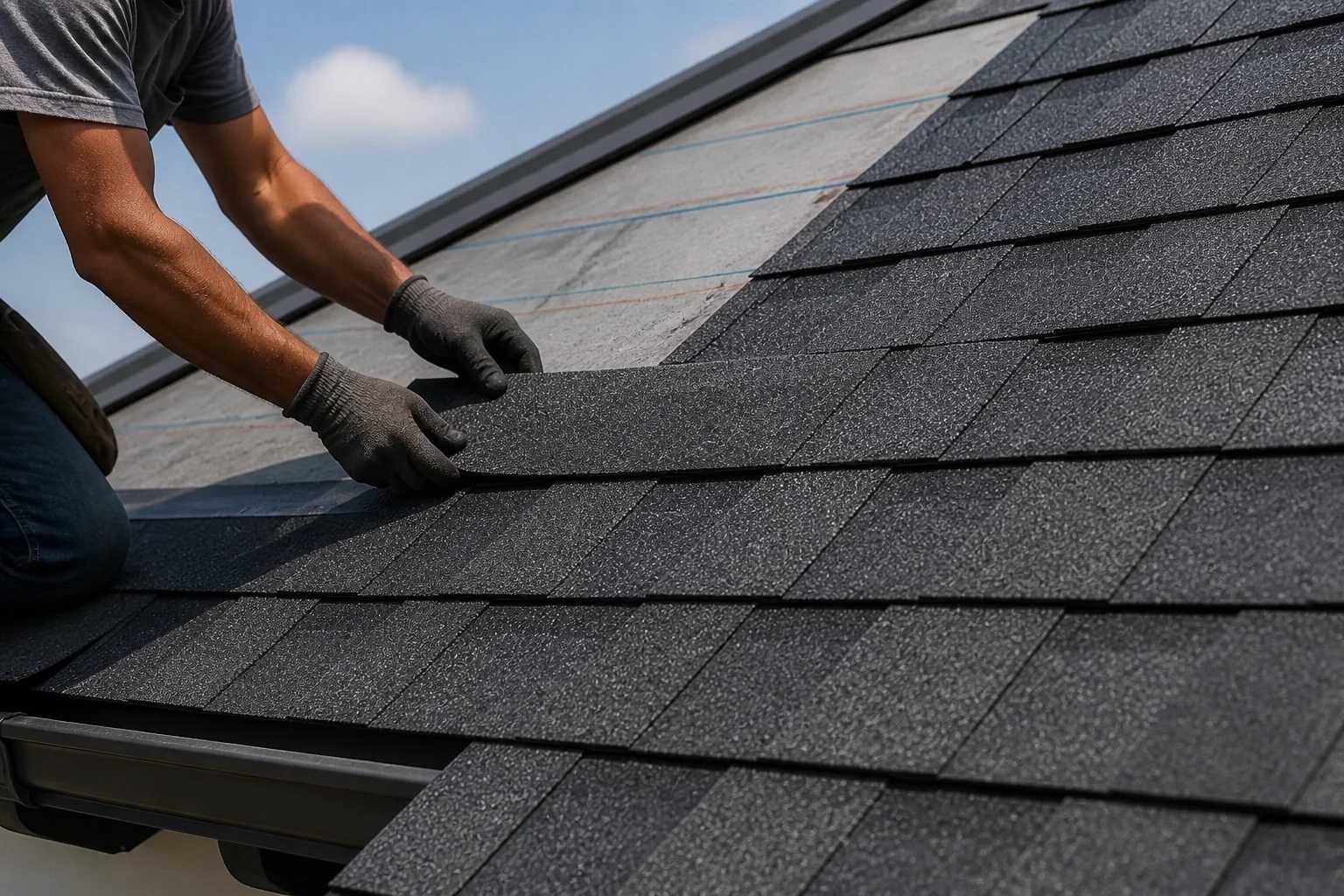
Understanding the "Ohio Matching Law"
Since we are talking about homeowners insurance in Ohio, it’s important to mention an Ohio rule that often comes up in exterior claims.
Ohio Administrative Code 3901-1-54(I)(1)(b) addresses non-matching replacement materials for exterior losses. In general, if the replacement item does not match the quality, color, or size of the damaged item, the insurer must replace enough of the item so the repaired area results in a reasonably comparable appearance. That does not automatically guarantee a full roof replacement every time a matching shingle cannot be found. Whether a full roof replacement applies depends on the policy language, the scope of the loss, and the specific facts of the claim.
This can still matter a great deal for homeowners after wind or hail damage. If you find yourself in this situation, it helps to work with an agent who can explain the coverage and help you understand how the carrier is applying the policy.
Important Terms to Know
Before you start the process, let's clear up some jargon so you can talk to your adjuster and agent with confidence:
Home Insurance Deductible: This is the amount you pay out of pocket before your insurance kicks in. For example, if your roof costs $12,000 to replace and your deductible is $1,000, the insurer may pay up to $11,000 of the covered loss, subject to the policy terms, coverage, depreciation, limits, and claim settlement.
Replacement Cost Value (RCV): This means the policy can pay to replace damaged property with new materials of like kind and quality, subject to the policy terms, limits, and applicable conditions.
Actual Cash Value (ACV): This means the insurance company takes the replacement cost and subtracts "depreciation" based on the age of your roof. If you have an old roof and an ACV policy, the claim payment may be lower because depreciation is taken into account.
Claim Surcharge: A temporary increase in your premium following a claim payout.
Let’s Raise the Bar for Your Coverage
A new roof is a fresh start for your home. It’s more than just shingles and nails. It can improve your home’s insurance profile and create a good opportunity to review your coverage and compare options.
At Rise Insurance, we don't just sell policies. We help you evaluate risk and look for coverage options that fit your situation. Our team in Clintonville is ready to help you compare homeowners insurance in Ohio after a roof replacement, with savings and eligibility varying by carrier.
Whether you want to meet at our office, hop on a virtual call, or just handle everything over the phone, we make the process easy and transparent. You’ve already done the hard work of dealing with the contractors and the mess. Let us help you review your options.
Ready to see what options your new roof may open up?