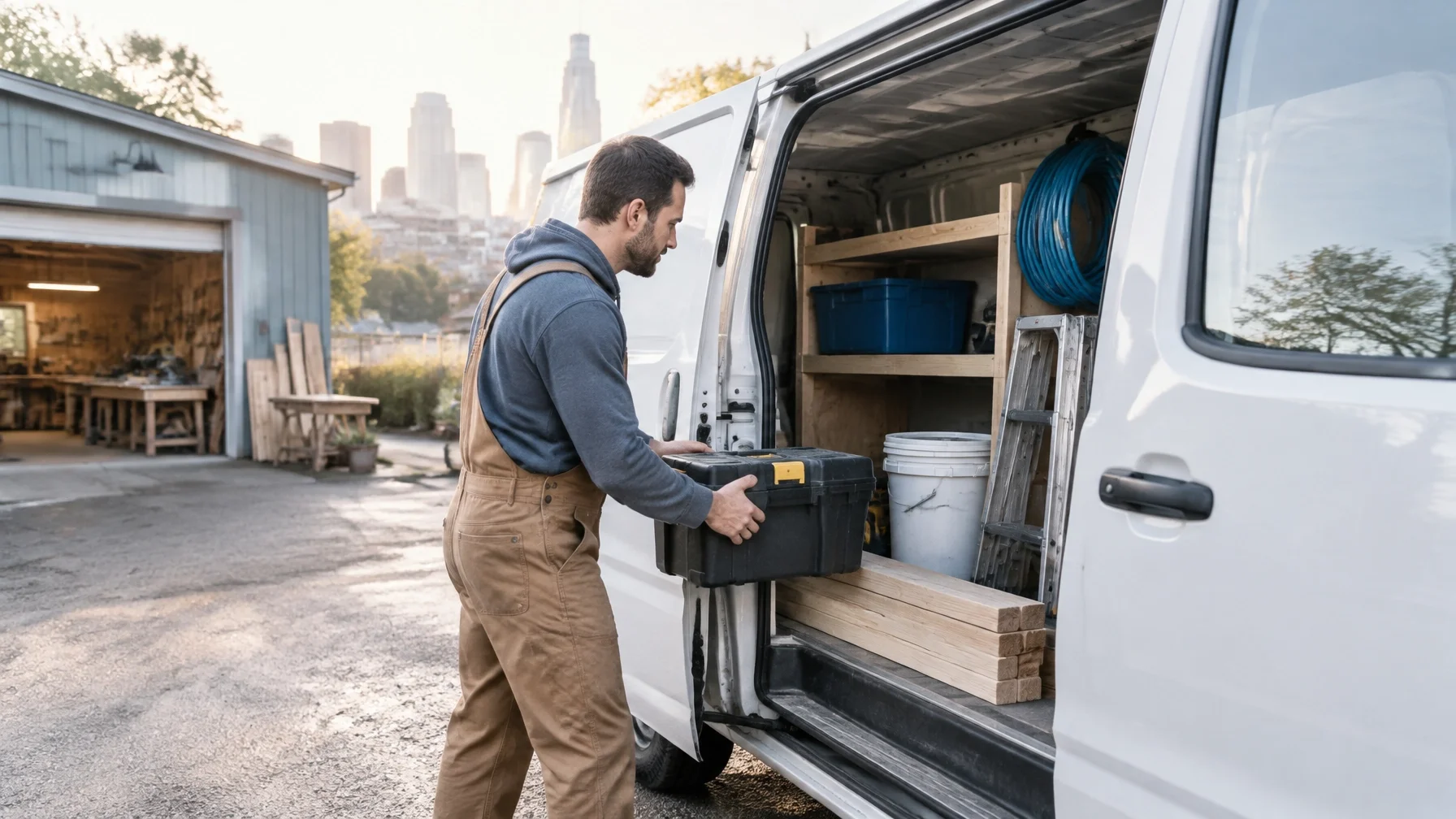
Why personal auto policies and business use do not always mix
A contractor finishes an early job in Westerville, loads tools into a pickup, and heads to a second site across Columbus. The truck may be personally owned, but the trip is part of the workday. That distinction can matter if there is a crash.
A personal auto policy is generally written for personal driving. Some policies may allow limited business use, while others restrict or exclude certain work activities. Don’t assume that a vehicle is covered for every business trip simply because it has an active personal policy.
Whether coverage applies depends on the policy wording, who owns the vehicle, who is driving, and what the business is doing. Occasional travel to a meeting may be treated differently from frequent deliveries, hauling materials, or using a vehicle to transport goods for payment. The insurer can explain how the specific policy treats the disclosed use.
The business may also have liability exposure separate from the driver’s. If an employee causes an accident while running a business errand, questions may arise about both the driver’s policy and the company’s coverage. A review of the actual vehicle use can help you identify which policies and endorsements to ask about.
What a commercial auto policy is designed to do
A commercial auto policy is separate from a personal auto policy and has its own forms, terms, exclusions, and endorsements. Depending on the policy and business, it may be designed to insure vehicles titled to the business and address employees driving for work. It can also be structured around the higher liability exposure that may come with regular business operations on the road.
Commercial auto coverage is not one-size-fits-all. The business’s industry, vehicle types, drivers, travel radius, and activities can affect what coverage is available and how it is written. Policy terms and carrier forms determine what is covered.
Depending on the policy, coverage options may include:
Liability coverage for certain claims involving bodily injury or property damage arising from an insured vehicle’s use.
Physical damage coverage for covered damage to an insured vehicle. Options may include collision and comprehensive coverage, subject to the policy terms and deductible.
Coverage for listed or eligible drivers and vehicles, based on the policy’s definitions and conditions.
A policy does not automatically cover every vehicle, driver, tool, trailer, or business activity. For example, tools inside a van may require separate business property or equipment coverage. Ask how each part of your operation is treated.
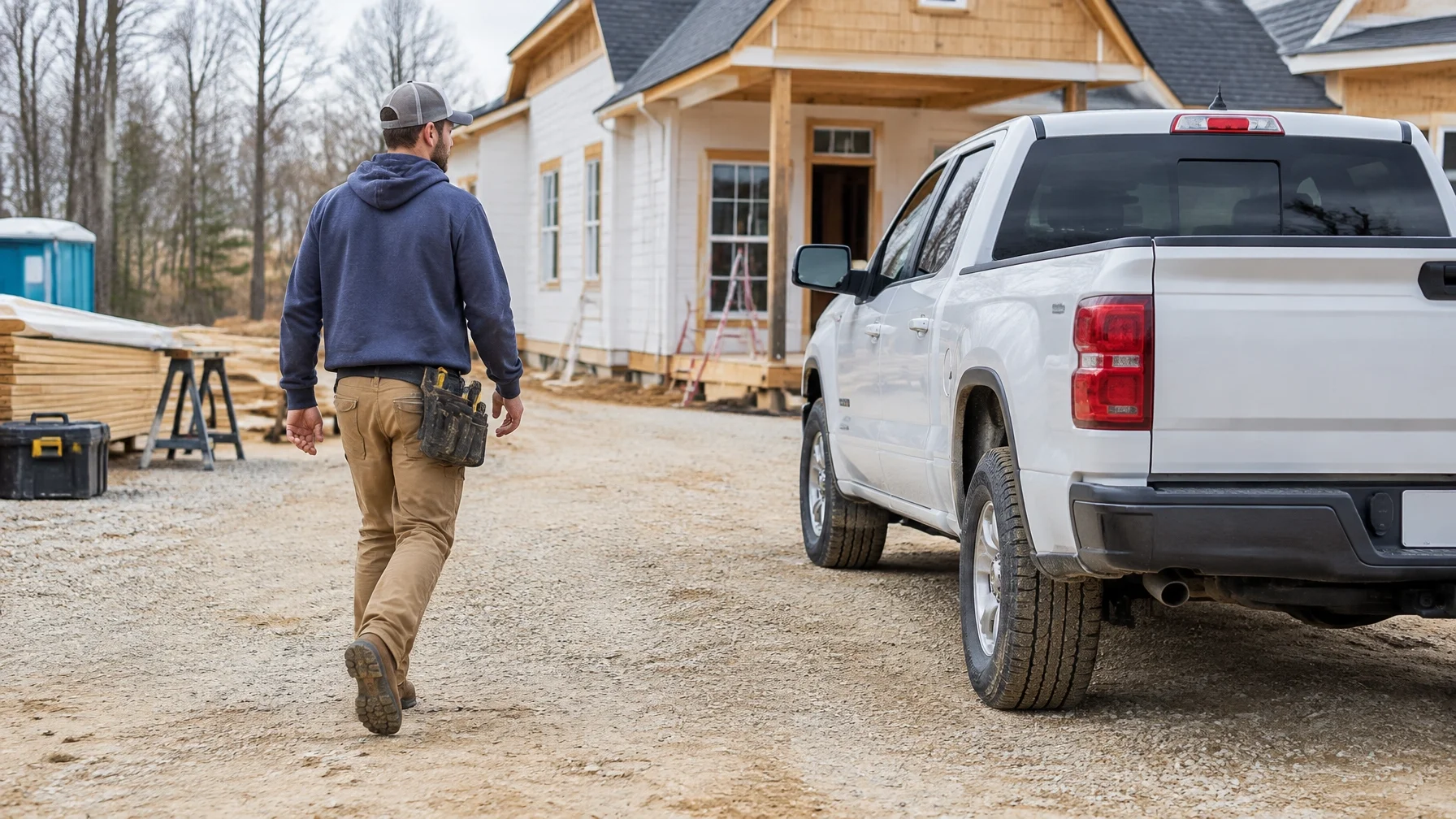
Signs your business may need commercial auto coverage
If your business is changing how it uses vehicles, it may be time to review the policy before the next trip. Consider asking for a review if any of these apply:
A vehicle is titled to the business.
Employees drive for work, including regular supply runs or client visits.
Your business makes regular deliveries or hauls goods, materials, or equipment.
You transport tools to job sites, such as projects around Dublin, Westerville, or Columbus.
You operate a food truck, catering van, or service vehicle.
A vehicle is used to travel from one job site to another during the workday.
Your personal auto policy includes an endorsement or restriction that may limit business use.
You tow a trailer or need to understand how the trailer and its equipment are treated.
A client, contract, or project asks you to show proof of commercial auto coverage.
This checklist is a prompt for a policy conversation, not a rule that determines coverage by itself. A personally owned vehicle used occasionally for business may raise different questions than a fleet of company vans used for daily deliveries. Be specific when describing the work: who drives, where the vehicle goes, what it carries, and how often it is used.
Rise Insurance offers commercial insurance services, and you can also review our auto insurance options to understand how personal and business policies differ. We can help you compare options and prepare questions about business vehicles. The insurer evaluates the risk, issues the policy, and makes underwriting and claim decisions.
Hired and non-owned auto coverage explained
Your business may use vehicles it does not own. Two terms can help describe those situations.
Hired auto generally refers to a vehicle your business rents or leases for business use.
Non-owned auto generally refers to a vehicle the business does not own, such as an employee’s personal car, when it is used for a business errand.
Hired and non-owned auto coverage may be available through a commercial auto policy or, depending on the carrier and policy, a businessowners policy. It may address certain liability claims against the business connected with the use of these vehicles. The specific wording, limits, and exclusions matter.
An employee’s personal policy may not respond to every type of business use. At the same time, hired and non-owned coverage should not be assumed to replace the employee’s personal auto policy or cover damage to the rented or borrowed vehicle. Ask whether physical damage coverage for hired vehicles is available or needs to be arranged separately.
If staff use their own cars for occasional errands, describe that arrangement when reviewing your coverage. Ask how the policy treats employee-owned vehicles, rental cars, delivery work, and the order in which any applicable coverage may respond. You can also review commercial auto coverage questions in our insurance FAQ.

Commercial auto insurance in Ohio: requirements and next steps
The Ohio Bureau of Motor Vehicles lists the state’s mandatory minimum financial responsibility limits as:
$25,000 for injury or death of one person
$50,000 for injury or death of two or more people in one accident
$25,000 for property damage in one accident
These are Ohio’s general motor-vehicle financial responsibility minimums, not a recommendation for the amount of protection a business should carry, and not a universal commercial-auto coverage limit. The BMV’s mandatory insurance information explains the state limits and proof-of-insurance requirement. A business should consider its vehicles, operations, contracts, and potential liability when reviewing limits with an insurance professional.
Some businesses operating certain commercial vehicles in interstate commerce may also have federal financial responsibility requirements under FMCSA rules. FMCSA’s insurance filing requirements explain that requirements vary by entity type, operating authority, cargo, and vehicle type.
For example, FMCSA lists $300,000 for certain non-hazardous, for-hire property carriers with a vehicle under 10,001 pounds GVWR, and $750,000 for certain such carriers at or above that weight. These are federal requirements for particular interstate for-hire carrier categories, not universal limits for every Ohio business that drives across state lines. The specific operation matters, and intrastate Ohio requirements may differ. If your business hauls goods for compensation or operates across state lines, verify which rules apply to your vehicles and work.
Before a coverage review, gather vehicle ownership and registration details, driver information, typical routes, how often vehicles are used, and what they carry. Tell your agent about rentals, employee-owned cars, trailers, and any changes in operations. As an independent agency, Rise Insurance can help you compare available options and organize questions. The carrier makes underwriting decisions, issues the policy, and determines claims under its terms.
If you’re unsure whether your current arrangement fits the way your business drives, schedule a conversation with Rise Insurance. We can help you review the questions to ask, without pressure.
