Why Your Replacement Cost Is Rising (And How Your Deductible Impacts Your Claim)
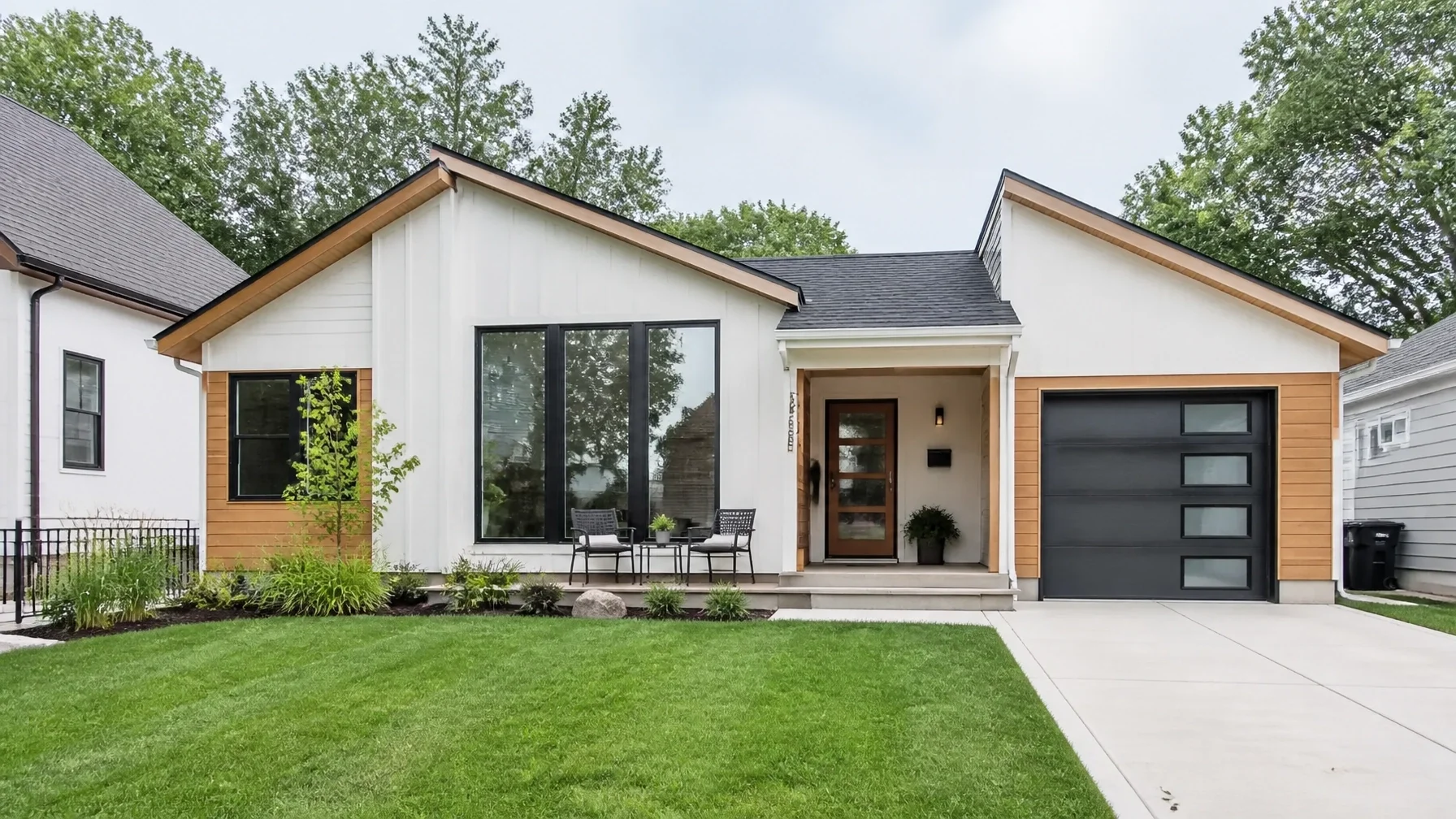
If you’ve opened your home insurance renewal notice lately, you might have felt a bit of "sticker shock." You aren't alone. Across Ohio: from the quiet streets of Clintonville to the growing suburbs of Columbus: homeowners are seeing their premiums climb. Often, the biggest driver behind that increase isn't actually a change in your home's value on the real estate market, but a sharp rise in your Replacement Cost.
At Rise Insurance, we believe in transparency. We know that insurance can feel like a "black box" sometimes, especially when the market is as volatile as it has been between 2024 and 2026. Understanding why your coverage limits are going up: and how you can use your deductible as a lever to manage those costs: is the best way to feel confident in your protection.
In this guide, we’ll break down the forces driving these changes and help you decide how to balance your coverage with your budget.
What Exactly is Replacement Cost? (Hint: It’s Not Market Value)
One of the most common questions we hear is: "Why is my home insured for $450,000 when I could only sell it for $380,000?"
It’s a great question. In the insurance world, we use Replacement Cost (specifically Coverage A: Dwelling) to determine your limits. This is the amount of money it would take to rebuild your home from the ground up on your current lot, using materials of "like kind and quality" at today's prices.
Market Value is what a buyer is willing to pay for your home, including the land and the location.
Replacement Cost is strictly the cost of labor, materials, and debris removal to reconstruct the physical structure.
In a volatile market, the cost to build a house often rises much faster than the price of selling one. This is why your insurance limit (and your premium) might go up even if your local real estate market feels flat.
Why Your Rebuild Costs Are Rising in 2026
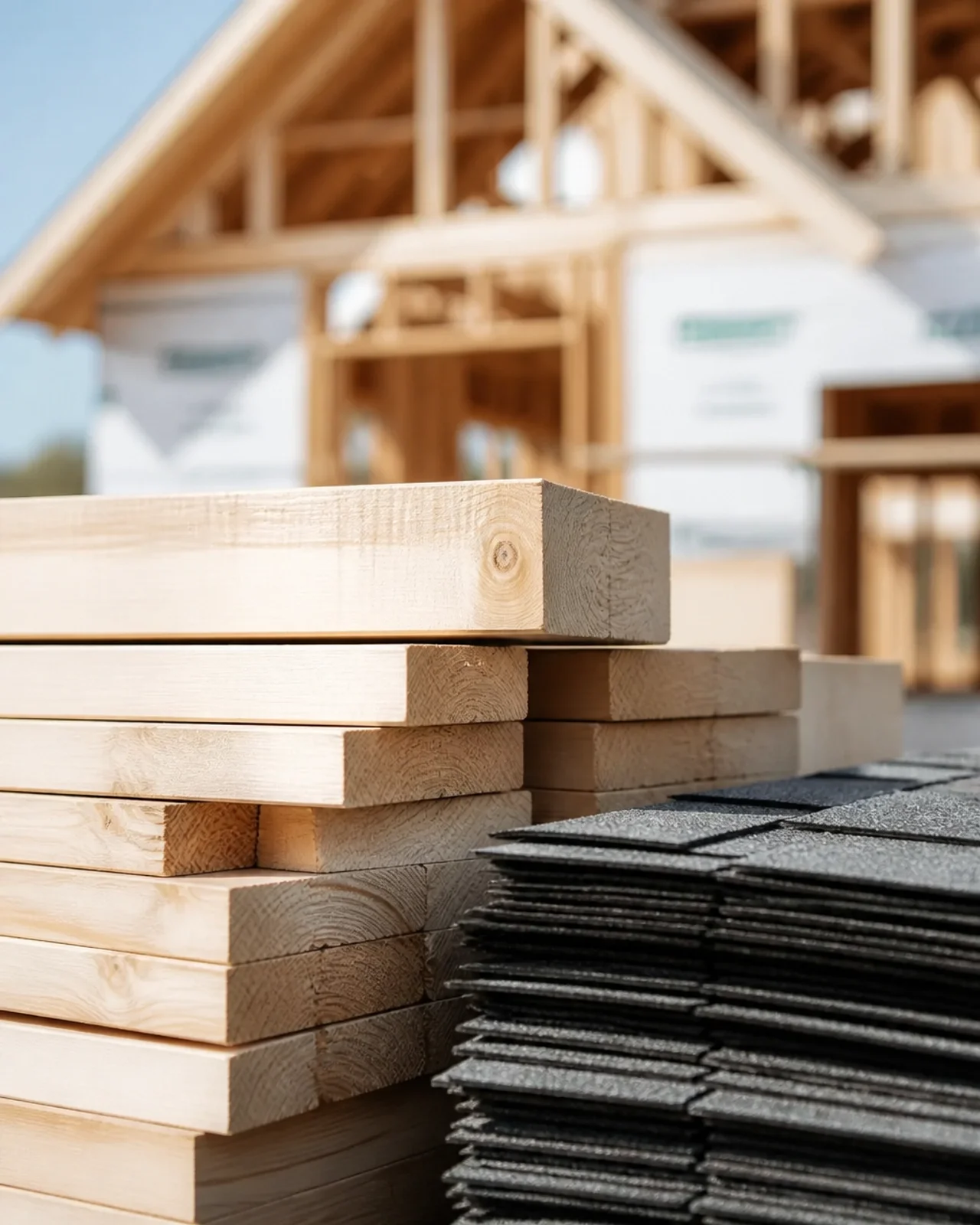
Several global and local factors have converged to push reconstruction costs to historic highs. Here are the primary drivers we are seeing right now:
1. The "Basket" of Materials is More Expensive
While general inflation may fluctuate, the specific materials needed for a home: lumber, asphalt shingles, copper wiring, and concrete, have seen sustained price increases. Industry data shows that in many regions, construction costs have risen over 40% in the last five years. Even a 5% annual increase in 2026 adds up quickly when you're talking about a 2,500-square-foot home.
2. The Skilled Labor Shortage
There is a significant shortage of skilled tradespeople, including carpenters, roofers, electricians, and plumbers. To attract workers and keep projects moving, contractors have had to raise wages. When your insurer calculates what it would cost to rebuild your home today, they have to factor in these higher "prevailing wages."
3. More Frequent Severe Weather
Ohio has seen its fair share of volatile weather recently. From severe thunderstorms and tornadoes to "demand surges" after regional catastrophes, the cost to get a contractor to your door is higher than it used to be. When a major storm hits a region, the sudden demand for materials and labor causes prices to spike: a reality that insurers now bake into their cost models.
4. Modern Building Codes
If your home was built in the 1970s or 90s, it was built to the standards of that era. However, if it burned down today, it would have to be rebuilt to 2026 building codes. This might include modern energy-efficient windows, updated electrical systems, or more resilient roofing materials. These "code upgrades" add significant cost to a rebuild calculation, and your policy is designed to cover those modern requirements.
How Your Deductible Impacts Your Premium

If your Replacement Cost is going up, your premium will likely follow. One of the few ways you can directly influence your annual cost is by adjusting your deductible.
Your deductible is the "skin in the game": the amount you agree to pay out of pocket before Rise Insurance or your carrier steps in to pay the rest.
The Rule of Thumb:
Higher Deductible = Lower Premium: By taking on more risk yourself, the insurer rewards you with a lower monthly or annual bill.
Lower Deductible = Higher Premium: If you want a smaller out-of-pocket hit during a claim, you’ll pay more for that privilege in your regular premiums.
In the current Ohio market, we’ve seen that raising a deductible from $500 to $1,000 can save homeowners roughly $150 per year on average. For some, moving to a $2,500 deductible can provide even more substantial relief.
The Ohio Shift: Percentage Deductibles
It is important to look closely at your policy for a new trend: Wind/Hail Percentage Deductibles.
Many carriers in Ohio are moving away from a flat dollar amount (like $1,000) for storm damage. Instead, they are implementing a deductible that is 1% or 2% of your Dwelling Coverage (Coverage A).
Scenario: Your home is insured for $400,000.
Flat Deductible: You pay $1,000 on a roof claim.
1% Percentage Deductible: You pay $4,000 on that same claim.
Because storm claims are the most common type of loss in Ohio, this shift can catch homeowners off guard. We always recommend checking if you have a separate wind/hail deductible so you aren't surprised after the next big storm.
Finding the "Sweet Spot" for Your Family

Choosing the right deductible isn't just about the math; it's about your peace of mind and your liquid savings. Here is how we recommend approaching the decision:
Check Your Emergency Fund: Never set a deductible higher than what you could realistically pay tomorrow. If you don't have $2,500 in a savings account, stick with a $1,000 or $500 deductible.
Evaluate Your Claim History: If you are the type of homeowner who wouldn't file a claim for a $1,500 fence repair because you'd rather fix it yourself, a high deductible makes sense. You shouldn't pay for "first-dollar" coverage you don't intend to use.
Model the Savings: Ask us to run the numbers. If raising your deductible saves you $200 a year, but increases your out-of-pocket by $1,500, it would take you 7.5 years of no claims to "break even." Is that a gamble you're comfortable with?
We Are Here to Help You Navigate the Volatility
Insurance is a partnership. At Rise Insurance,our mission is to raise the bar for your coverage experience. We use the latest industry tech to track these rising costs and ensure you are neither under-insured nor over-paying.

Whether you want to review your current Replacement Cost estimate or discuss how a deductible change could lower your bill, we are available to meet at our Clintonville office, virtually, or over the phone.
Ready to review your policy? Schedule a time with us today or request a quote to see how we can tailor a plan to your unique needs and budget. We’ll make sure you’re covered on your best and worst days.
